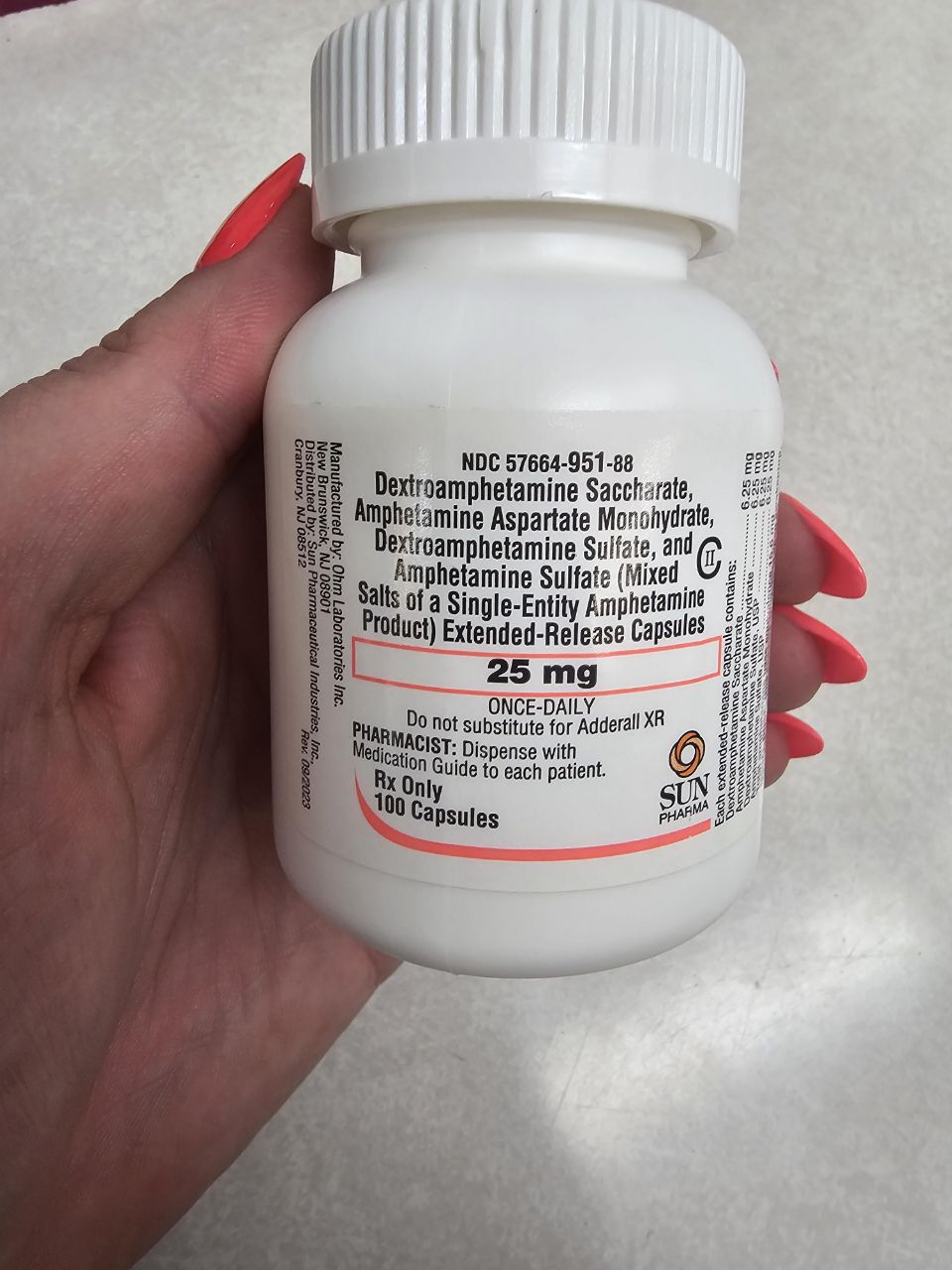
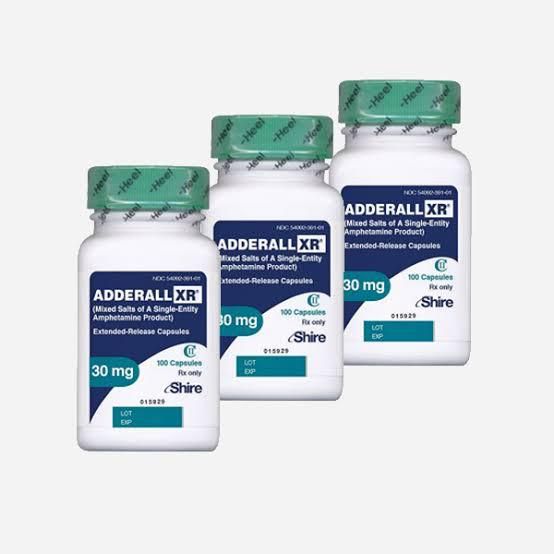
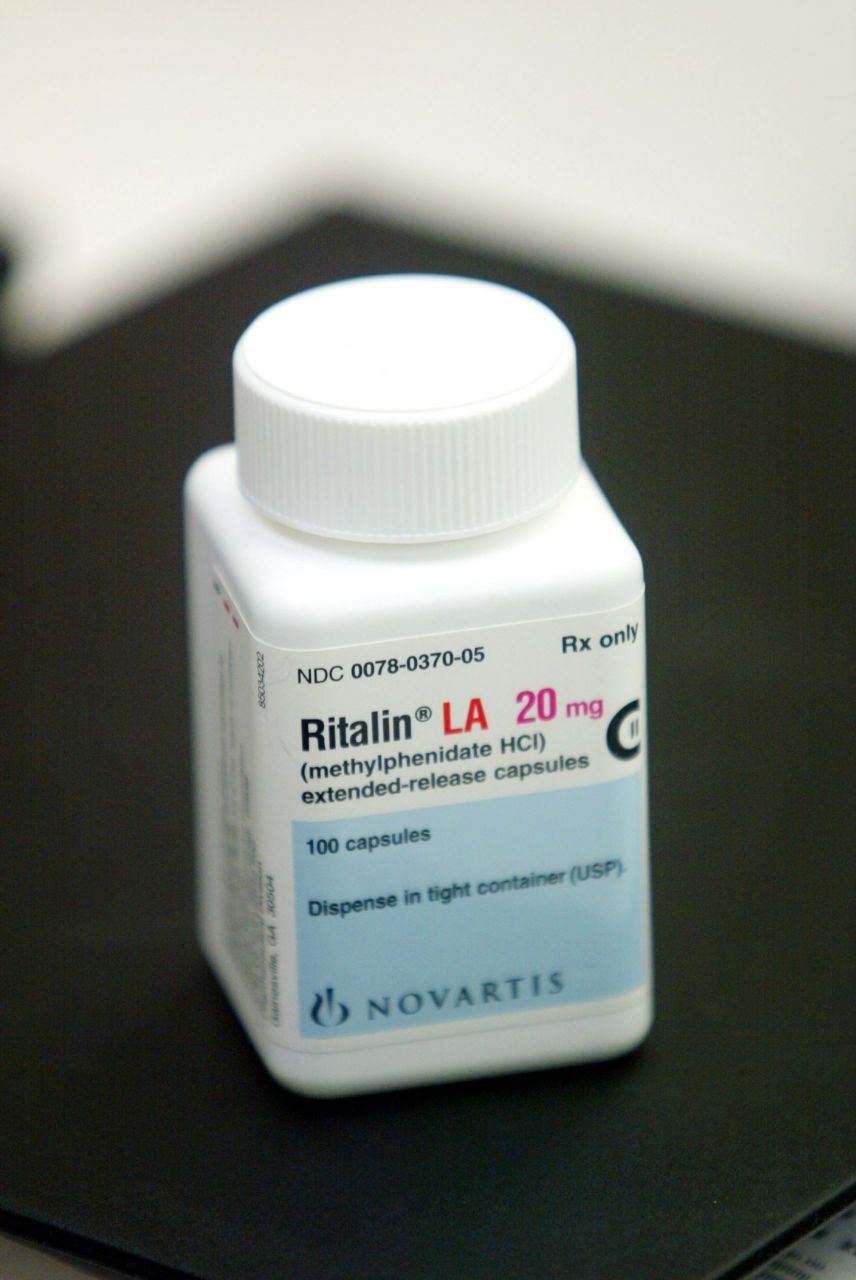
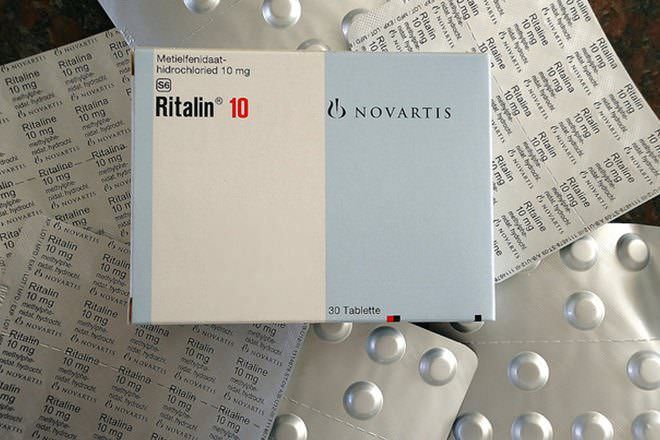
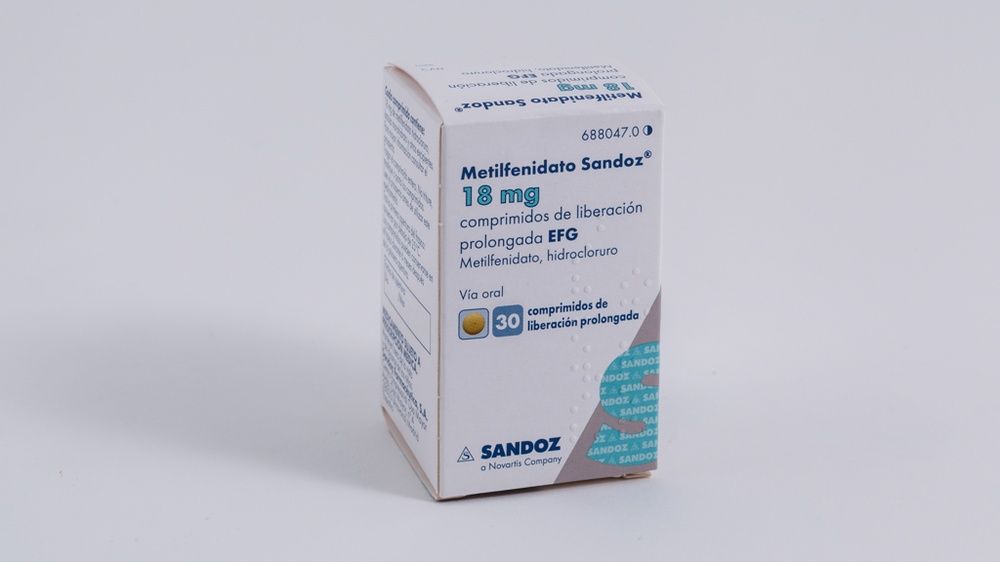
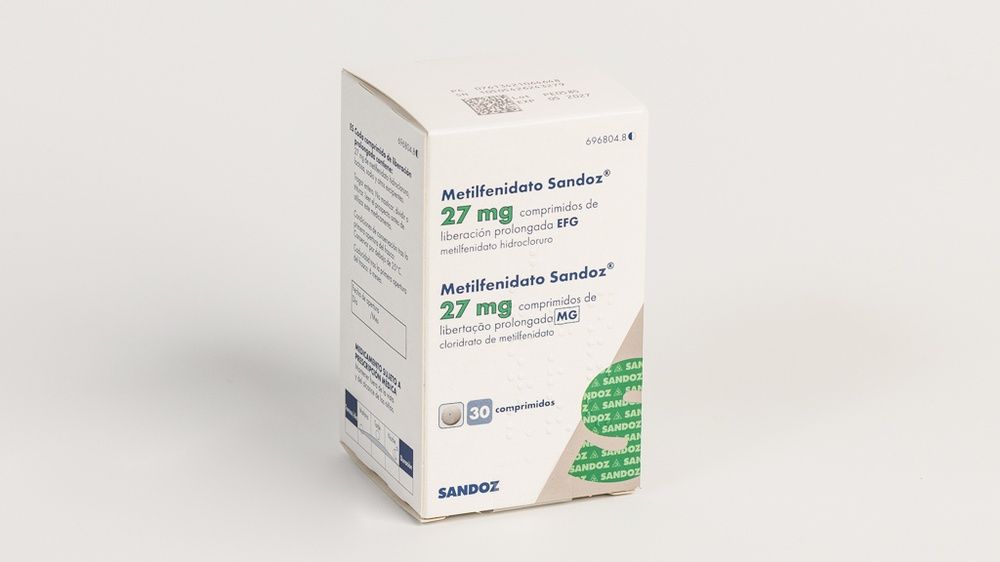
Adderall is a combination of four amphetamine salts (75% d-amphetamine + 25% l-amphetamine) and is the most commonly used ADHD medication in the USA. It is less common in Iran and Europe, but many patients access it through legal or illegal channels. Knowing precise information about this medication is essential for safety.
Adderall vs. Ritalin — Key Differences
| Criterion | Adderall (Amphetamine) | Ritalin (Methylphenidate) |
|---|---|---|
| Mechanism | Releases dopamine + inhibits reuptake | Only inhibits reuptake |
| Potency | Stronger | Relatively weaker |
| IR Effect | 4-6 hours | 4-5 hours |
| XR Effect | 10-12 hours | 8-10 hours |
| Onset of Effect | 20-30 minutes | 30-45 minutes |
| Appetite | Greater reduction | Less reduction |
| Heart | Greater strain on the heart | Less |
| Sleep | More disruption | Less |
This comparison does not indicate which is "better" — rather, it shows which is more suitable for a specific individual. Some patients respond better to amphetamine, some to methylphenidate. Experimental trial under a doctor's supervision is the only method of determination.
Adderall Dosing
In children: Start with 5 mg once or twice daily, increase by 5 mg weekly. In adults: 5-10 mg IR in the morning, a second dose 4-6 hours later if needed. For the XR form: 5-30 mg once in the morning.
Maximum dose: 40 mg/day is recommended for children; for adults, the doctor determines it based on response. Starting with a low dose and gradual increase is essential.
Adderall Side Effects
Common side effects: Decreased appetite (more than Ritalin), insomnia, headache, dry mouth, nausea, irritability after the medication wears off (crash). Cardiac side effects requiring discontinuation: Chest pain, irregular heartbeat, shortness of breath. It should be used with caution in those with underlying heart conditions.
Adderall Frequently Asked Questions
Is Adderall available in Iran?
Adderall (mixed amphetamine salts) is not directly available in the Iranian market, but amphetamine medications such as dextroamphetamine are available through specific pharmacies for medical cases.
Can Adderall be stopped suddenly?
Sudden discontinuation does not pose an immediate danger but is associated with severe fatigue, depression, and hypersomnia (crash). It is recommended to taper off gradually under a doctor's supervision.
Adderall (mixed amphetamine) is one of the most common ADHD medications in the United States — a combination of 75% d-isomer amphetamine (dextroamphetamine) and 25% l-isomer amphetamine. Mechanism of action: release of dopamine and norepinephrine from presynaptic vesicles — a stronger effect than Ritalin, which only inhibits reuptake. This is why Adderall is more effective than Ritalin for some patients.
Adderall IR (immediate-release) vs. XR (extended-release): IR lasts 4 to 6 hours and is taken 3 to 4 times a day. XR (Adderall XR) lasts 10 to 12 hours and is taken once a day. Adderall XR is a capsule where half the beads are IR and half are ER — the effect starts quickly and continues. This system prevents severe peaks and troughs.
Amphetamine vs. methylphenidate — what is the difference? Amphetamine has a stronger effect and lasts longer. The risk of dependence is inherently higher with amphetamine, but at therapeutic doses under a doctor's prescription, the potential for abuse is similar. Some patients respond to one and not the other — a doctor may try both. In Iran, Adderall is less available than Ritalin.
Cardiovascular side effects: Amphetamines raise blood pressure and heart rate more than Ritalin. An ECG before starting is essential for patients with cardiac risk. Amphetamines are contraindicated in individuals with arrhythmia, uncontrolled hypertension, or structural heart disease. Sudden cardiac death at therapeutic doses in healthy individuals is very rare but should be taken seriously.
Adderall and weight loss: Amphetamines are the strongest appetite suppressants among ADHD medications. In children, monitoring weight and height is essential — reduced growth has been reported with long-term treatment. A summer drug holiday can compensate for growth. In adults, unwanted weight loss can be problematic — a diet with sufficient protein is recommended.
Adderall and antidepressants: Combination with SSRIs is generally safe — in fact, some doctors prescribe both for ADHD accompanied by depression. However, it is prohibited with MAO inhibitors — risk of hypertensive crisis. Caution is also needed with lithium. Inform your doctor of all concurrent medications.
Psychiatric side effects of Adderall: At high doses or in vulnerable patients, amphetamines can cause anxiety, paranoia, or even psychosis. In patients with a history of schizophrenia, bipolar disorder, or psychosis, amphetamines are relatively contraindicated. If you see new psychiatric symptoms while taking Adderall, inform your doctor immediately.
Adderall for adult ADHD: Diagnosis of ADHD in adulthood often occurs late — many adults who have been labeled with "laziness" or "weak willpower" for years actually have ADHD. Evaluation by a psychiatrist or specialist psychologist is essential. Drug therapy in adults is as effective as in children — sometimes even better because the patient is more aware.
Dexedrine — pure dextroamphetamine: Some doctors prescribe only the d-isomer for patients who do not respond to mixed amphetamine. The d-isomer is a stronger stimulant and has fewer peripheral (cardiac) side effects than the l-isomer. In Iran, Dexedrine is rarely available.
Amphetamine abuse in students: "Focus drugs" used by students without a prescription are dangerous. Their actual effect in students without ADHD is limited — they slightly improve performance on complex tests but hardly change memorization. The main problems: psychological dependence, sleep disturbance, and long-term cardiac effects.
Adderall XR vs. Adderall IR: The immediate-release (IR) version of Adderall has an effect lasting 4 to 6 hours and is usually prescribed two to three times a day. The extended-release (XR) version lasts 10 to 12 hours and once a day is sufficient. For children for whom managing a noon dose at school is difficult, XR is more convenient. However, some patients have more flexibility with IR — for example, they can take the afternoon dose on workdays but skip it on weekends so the medication clears their system sooner.
Managing Adderall During International Travel: Amphetamines are strictly controlled substances in many countries. Before traveling abroad with an Adderall prescription, you must have an official translation of the prescription, a doctor's letter, and identification documents with you. Some countries do not allow entry with Adderall even with a prescription — Japan, the UAE, and Singapore are among these. Consult the embassy or customs office of your destination before traveling. In Iran, foreign Adderall requires an import permit from the Ministry of Health, and PharmaWeb is familiar with this process.
Adderall and Body Weight: Weight loss is a common side effect of Adderall because it severely reduces appetite. In growing children, weight loss can affect height growth — regular monitoring of weight and height is essential. Doctors sometimes recommend "drug holidays" in the summer to allow for catch-up growth. In adults who are overweight, this side effect is sometimes viewed as a benefit, but Adderall is not approved as a weight-loss drug and using it for this purpose is dangerous.
Strattera — A Non-Stimulant Alternative for ADHD: Atomoxetine (Strattera) is a norepinephrine reuptake inhibitor — not a stimulant. For patients who cannot use stimulants (Adderall, Ritalin) — for example, due to heart disease, a history of substance abuse, or severe anxiety — Strattera is an alternative. Its effect appears with a delay of 4 to 6 weeks (unlike stimulants which work immediately). Its efficacy in ADHD is slightly lower than stimulants, but for some patients it is a better choice.
Guanfacine and Clonidine — Alpha-2 Agonists in ADHD: These drugs are not stimulants at all — they are alpha-2 receptor agonists. In children with ADHD who have severe hyperactivity and impulsivity or did not respond adequately to Ritalin, adding guanfacine (Intuniv/Tenex) can be very effective. They are particularly useful for ADHD accompanied by anxiety disorders or Tic disorders. Side effects: drowsiness, low blood pressure.
Adderall and Family Dynamics: ADHD is a familial condition — parents of a child with ADHD are themselves more likely to have ADHD. This leads to specific challenges: a parent with ADHD who forgets to give their child's medication, or lacks patience for behavioral therapy. Awareness of this cycle and supporting the whole family is part of comprehensive treatment. ADHD parent support groups can be very helpful.
Long-Term Monitoring of ADHD: ADHD is a lifelong disorder — treatment should continue lifelong or at least into adulthood. Every 6 to 12 months, the following should be assessed: weight, height (in children), blood pressure, heart rate, and academic/occupational performance. During adolescence, a review of the diagnosis and need for medication is essential as ADHD may improve. Long-term prognosis is better in those who receive both medication and behavioral therapy.
Adults with ADHD Who Were Never Diagnosed: Millions of adults live with undiagnosed ADHD — often with chronic problems in relationships, work, and education without knowing the reason. These individuals may have been misdiagnosed with depression, anxiety, or substance addiction. A late diagnosis can be life-changing. The online ASRS-v1.1 questionnaire is a good initial screening tool but does not replace a specialized evaluation.
Genuine Adderall vs. Fake Adderall: On the black market, pills sold as "Adderall" contain unknown substances — sometimes methamphetamine, sometimes contaminated fentanyl. These pills have been fatal. Purchasing from a reputable pharmacy with a doctor's prescription is the only safe way. Pharmaweb guarantees authenticity and quality by providing genuine ADHD medications from authorized European suppliers.
Adderall's Effect on REM Sleep: Polysomnography studies have shown that amphetamines reduce REM sleep — the stage where memory consolidation and emotional processing occur. Chronic use of Adderall can lead to REM deficiency, which itself impairs cognition and emotion. During Adderall use, adequate and regular sleep (7 to 8 hours) is more important than anything else.
Adderall in Combination Therapy with Depression Medication: For some depression patients struggling with severe fatigue and lack of motivation who have not responded adequately to SSRIs, Adderall is added as an Augmentation Agent. This approach is documented in academic psychiatry but must be strictly under a doctor's supervision. The risk of misuse in depressed patients with a tendency towards sedative substances must be assessed.
Adderall and Bipolar Disorder: Using amphetamines in bipolar patients is dangerous — it can trigger a manic phase. However, statistics show an overlap of ADHD and bipolar disorder of about 20%. If both diagnoses exist, the bipolar disorder should first be controlled with a mood stabilizer (lithium, valproate). Then, the doctor cautiously decides whether low-dose Adderall can be added or if alternative strategies are better.
Summary of ADHD Treatment with Amphetamines: Adderall and similar medications are powerful but responsible tools. With correct diagnosis, appropriate dosage, and regular monitoring, these medications have transformed the quality of life for millions worldwide. Without correct diagnosis or with misuse, the same medications can be harmful. The doctor, patient, and family must be a team for this journey to be successful.
ADHD and Innate Abilities: Ultimately, it must be understood that Adderall and ADHD medications do not create abilities — they remove obstacles. An ADHD patient possesses real intelligence, creativity, and ability — only the regulatory system to bring them out is weaker. Proper treatment helps these individuals show what they have always had in a world often not designed for them. This is the philosophy behind ADHD treatment and should also guide medication choice.
Adherence to Treatment During Exam Periods: In Iran, the pressure of university entrance exams and final exams leads some ADHD students to use ADHD medications without a prescription. This is dangerous — cardiac side effects, severe anxiety, and insomnia can ruin exam performance, not improve it. If a student truly has ADHD, a quick assessment and proper legal treatment is the best way. Pharmaweb can help in this journey with free pharmaceutical consultation. Proper ADHD treatment is a human right — not a privilege for those with financial means.
Sources and References
- U.S. Food and Drug Administration (FDA) — Official drug labeling and safety warnings
- UK National Institute for Health and Care Excellence (NICE) — Clinical guidelines
- UpToDate — Evidence-based clinical review
- American Psychiatric Association (APA) — Treatment guidelines for mental disorders