SSRIs (Selective Serotonin Reuptake Inhibitors) are the first-line treatment for depression and anxiety disorders. The choice between fluoxetine, sertraline, escitalopram, and other members of this drug family depends on the symptom profile, expected side effects, and the patient's medical history. This guide compares each drug with clinical data.
Comparison of Common SSRIs
- Usual Dose20-80 mg/day
- Onset of Effect4-6 weeks
- Suitable ForDepression, OCD, Bulimia
- AdvantageLowest risk of withdrawal due to long half-life
- LimitationInteracts with many drugs (CYP2D6)
- Weight GainLow
- Usual Dose50-200 mg/day
- Onset of Effect4-6 weeks
- Suitable ForDepression, Anxiety, PTSD, OCD
- AdvantageFewer drug interactions, studied in pregnancy
- LimitationDiarrhea at treatment onset
- Weight GainModerate
Full SSRI Comparison Table
| Drug | Dose (mg/day) | Primary Use | Prominent Side Effect | Pregnancy Safety |
|---|---|---|---|---|
| Fluoxetine | 20-80 | Depression, OCD, Bulimia | Insomnia, Anorexia | Relatively Studied |
| Sertraline | 50-200 | Depression, Anxiety, PTSD | Diarrhea | Most Data |
| Escitalopram | 10-20 | Depression, GAD | QT prolongation at high dose | Limited Data |
| Paroxetine | 20-60 | Depression, Panic, Social Anxiety | Weight Gain, Drowsiness | Preferentially Avoid |
| Fluvoxamine | 100-300 | OCD, Social Anxiety | Nausea, CYP Interaction | Limited Data |
| Citalopram | 20-40 | Depression | QT Prolongation | Limited Data |
Common SSRI Side Effects
Most side effects appear in the first weeks and often decrease with continued treatment:
Common SSRI Side Effects
- Nausea and gastrointestinal discomfort (usually in the first weeks)
- Insomnia or drowsiness (depends on the medication)
- Sexual dysfunctions: decreased libido, delayed orgasm
- Headache, mild dizziness
- Night sweats
- Loss of appetite initially, sometimes weight gain in the long term
Frequently Asked Questions About SSRIs
Frequently Asked Questions
Are SSRIs addictive?
No, SSRIs are not addictive — but abrupt discontinuation can cause withdrawal syndrome (dizziness, brain zaps). Always taper off gradually under a doctor's guidance.
Why does the SSRI effect take time to appear?
SSRIs cause gradual changes in serotonin receptors. These changes take 4-8 weeks. Mood level usually improves before energy and concentration.
Can SSRIs and benzodiazepines be taken together?
Yes, they are often prescribed short-term — benzodiazepines for immediate anxiety control until the SSRI takes full effect. However, long-term concurrent use is not recommended.
Which SSRI has the least weight gain?
Fluoxetine and escitalopram show the least long-term weight gain. Paroxetine has the highest likelihood of weight gain.
Can SSRIs be taken during pregnancy?
Sertraline has the most safety data in pregnancy. Untreated depression in pregnancy carries serious risks — the decision should be made with a doctor.
Mechanism of action of SSRIs: These drugs block the serotonin transporter protein (SERT) — causing released serotonin to remain longer in the synaptic cleft. But this is only the immediate effect. The real therapeutic effect comes from neuroplastic changes (growth of new neurons in the hippocampus) and regulation of postsynaptic receptors — this is why it takes 4 to 8 weeks.
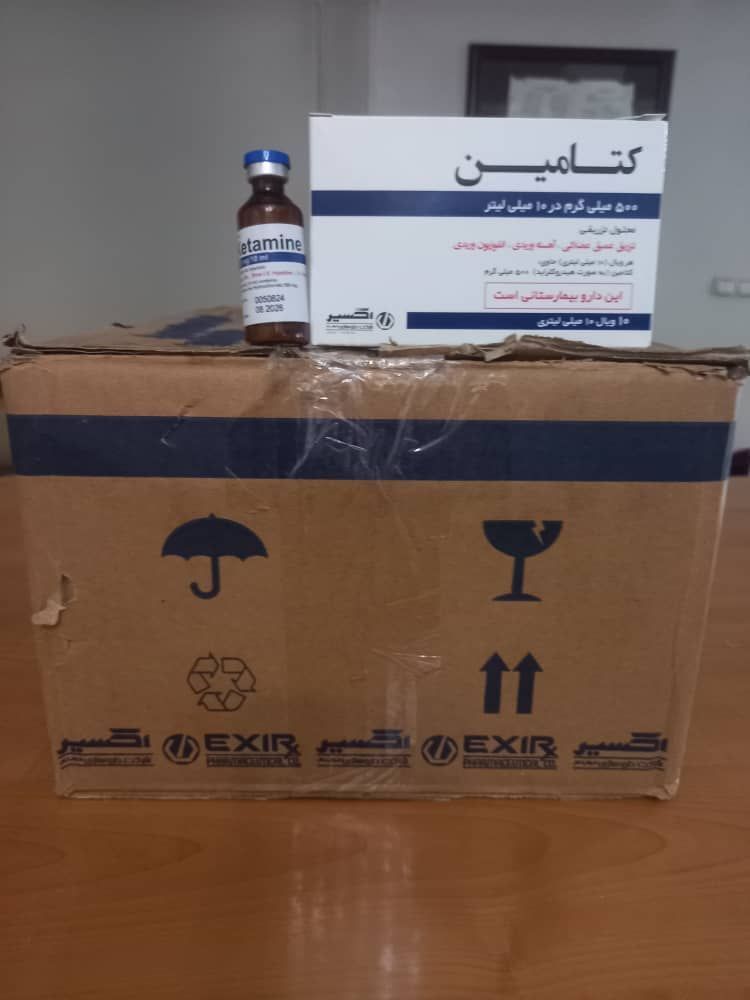
Treatment-resistant depression (TRD): If a patient does not respond after two adequate SSRI trials, it is considered TRD. Next options: adding lithium, aripiprazole, bupropion, or switching to an SNRI (venlafaxine). Injectable ketamine is the newest and fastest option for severe TRD — the FDA approved intranasal esketamine for this purpose in 2019. In Iran, ketamine for this purpose has limited availability.
SNRI vs. SSRI: Venlafaxine (Effexor) and duloxetine (Cymbalta) inhibit norepinephrine in addition to serotonin. In neuropathic pain, fibromyalgia, and severe anxiety, SNRIs often perform better than SSRIs. SNRI side effects include increased blood pressure (especially at high doses of venlafaxine) and a more difficult withdrawal syndrome compared to SSRIs.
Sexual effects of SSRIs — a serious problem: Up to 40 to 70% of SSRI patients report decreased libido, delayed orgasm, or sexual dysfunction. This side effect is the main reason for self-discontinuation of the medication. Strategies: "drug holiday" on weekends (with prescription and doctor's opinion), switching to bupropion or moclobemide, adding buspirone, or switching to mirtazapine (which has fewer sexual effects).
Serotonin syndrome — a serious warning: Combining two or more serotonergic drugs (SSRI + tramadol, SSRI + MAO inhibitor, SSRI + high-dose lithium) can cause serotonin syndrome: fever, tremor, tachycardia, diarrhea, confusion. This is a medical emergency. MAO inhibitors (like selegiline, phenelzine) must be discontinued 14 days before starting an SSRI.
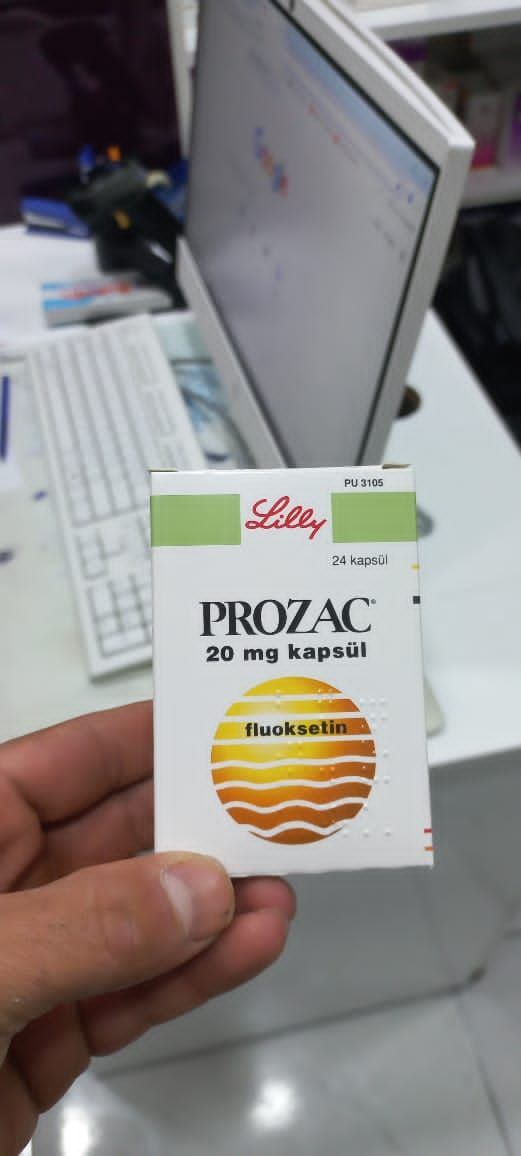
Fluoxetine — The drug of choice in children: The FDA has approved fluoxetine for depression and OCD in children aged 8 and above. Its very long half-life (1 to 6 days) makes missed doses less problematic. This same property makes discontinuation easier than with other SSRIs. However, its CYP2D6 interactions must be carefully evaluated.
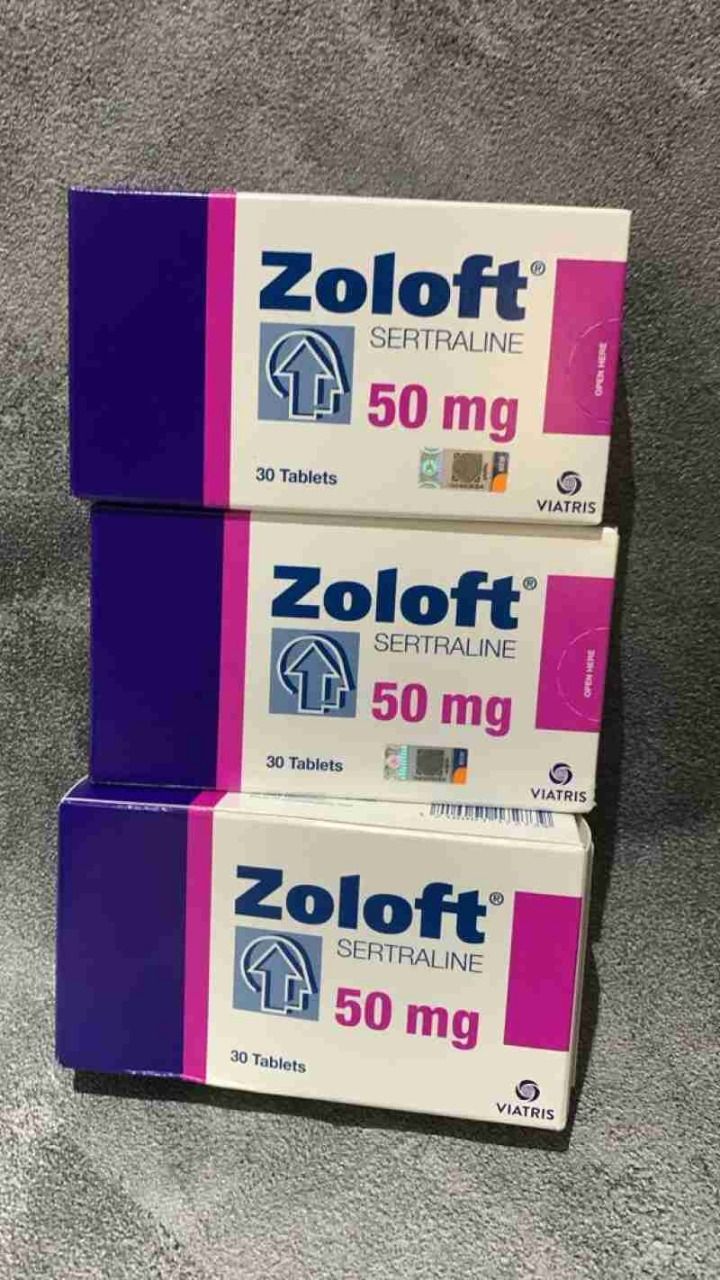
Sertraline — The first choice for most patients: The large STAR*D study showed that sertraline has the fewest drug interactions among SSRIs. It is the most suitable option for elderly patients, patients with heart disease, and those taking multiple medications. Start at 50 mg and increase to 200 mg if needed. Food improves its absorption — take with a meal.
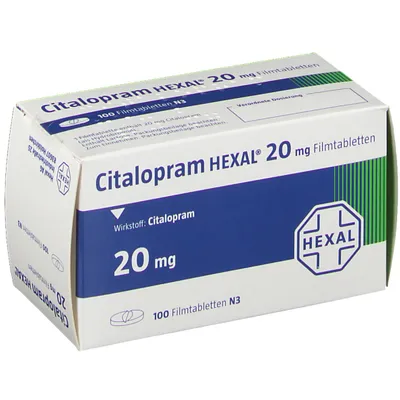
Citalopram and Escitalopram: Citalopram (Celexa) and escitalopram (Lexapro) are the drugs closest to an ideal SSRI — with the fewest drug interactions and a clean side effect profile. Escitalopram is the active half of citalopram, and the effective dose is half (10 mg versus 20 mg). Both may prolong QTc — caution is advised in patients with arrhythmia or concurrent use of QT-prolonging drugs.
Paroxetine (Paxil) — Advantages and disadvantages: It has the strongest anti-anxiety effect among SSRIs. Approved for panic disorder, SAD, PTSD, OCD, and GAD. However, issues include: the most weight gain, the most severe discontinuation syndrome, and the most CYP2D6 interactions. It is less recommended in pregnancy compared to other SSRIs. It is prescribed less in Iran due to these problems.
Treating OCD with SSRIs — Higher doses are needed: Obsessive-compulsive disorder responds to higher doses than depression — for example, fluoxetine 60 to 80 mg. The response is slower (8 to 12 weeks). CBT (especially ERP — Exposure and Response Prevention) should be concurrent. Medication alone is not sufficient for OCD. Over 50% of patients achieve adequate improvement with a combination of medication and CBT.
PTSD and SSRIs: Sertraline and paroxetine are the only FDA-approved SSRIs for PTSD. However, in practice, all SSRIs are used for PTSD. The most effective combined treatment for PTSD: SSRI + CPT (Cognitive Processing Therapy) or EMDR. Fentanyl and alcohol, which many PTSD patients use for self-medication, make SSRIs less effective.
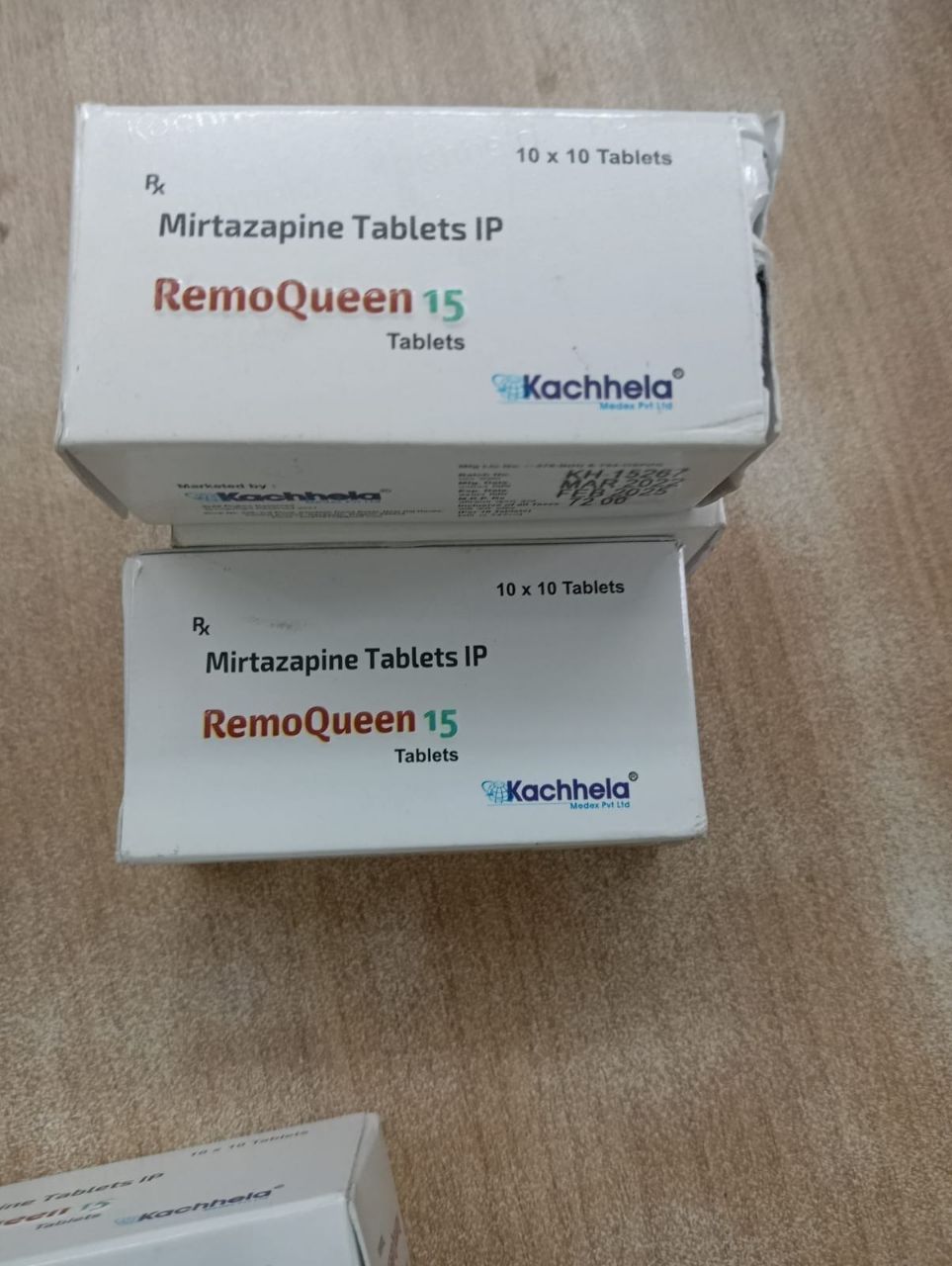
Mirtazapine — A non-SSRI antidepressant with specific advantages: Mirtazapine is an alpha-2 receptor antagonist and works by increasing the release of serotonin and norepinephrine — not by reuptake inhibition. Advantage: faster effect on sleep and appetite. It is often the first choice in patients with weight loss, severe insomnia, and depression with anxiety. Main side effects: weight gain and drowsiness.
Bupropion — An antidepressant that also helps quit smoking: Bupropion (Wellbutrin) is a dopamine and norepinephrine reuptake inhibitor — without serotonergic effects. Therefore, it has no sexual side effects — and in some patients, it may even increase libido. The FDA has also approved it for smoking cessation. Contraindications: epilepsy, bulimia, and anorexia nervosa (lowers seizure threshold).
Duration of SSRI treatment: First episode of depression: Continue for at least 6 months after improvement. Second episode: 2 years. Third episode and beyond: Lifelong treatment may be recommended. Early discontinuation is one of the main reasons for depression relapse. Many patients mistakenly stop their medication after feeling better — this is an error.
SSRIs in the elderly: Start with a shorter half-life (less accumulation in the body). Citalopram in the elderly carries a risk of QTc prolongation — limit to 20 mg. Escitalopram 10 mg is a good choice. Monitoring blood sodium is essential — SSRIs in the elderly can cause hyponatremia (low sodium), leading to confusion and falls.
Treating depression in Iran — Challenges: The most important problem is social stigma. Many Iranian patients consider drug treatment for depression as "addiction" or "weakness." General practitioners often do not have enough time to educate patients. These very factors cause Iranian patients to discontinue medication early. Explicit education during the first treatment visit can reduce this problem.
SSRIs and Suicide – The Apparent Paradox: At the beginning of treatment (the first weeks), SSRIs may increase suicidal thoughts in adolescents and young adults under 25 – the FDA has issued a Black Box warning for this group. Possible mechanism: the medication initially restores energy but mood is still depressed. Solution: close monitoring in the first 4 weeks, weekly phone contact with the patient. In adults over 65, SSRIs reduce the risk of suicide.
The Importance of Concurrent Psychotherapy with Medication: Meta-analysis data shows that combining CBT (Cognitive Behavioral Therapy) with an SSRI is better than either alone. Medication controls symptoms, CBT changes negative beliefs and thought patterns. Combination therapy also reduces the risk of relapse. In Iran, access to CBT specialist psychologists is more limited – online platforms are a suitable alternative.
Laboratory Monitoring During SSRI Treatment: Baseline tests before starting: CBC, liver (LFT), thyroid, sodium. During treatment: if you experience unusual symptoms (jaundice, swelling, confusion) contact your doctor immediately. In the elderly, sodium should be measured every 6 to 12 months. SSRIs are prescribed at a lower dose in patients with liver disease because they are metabolized by the liver.
SSRIs and Weight Gain – Fact vs. Myth: Most SSRIs do not significantly change weight in the short term. In the long term (years), some patients experience weight gain – likely due to improved appetite as depression resolves. Paroxetine has the most weight gain. Fluoxetine and bupropion have the least weight gain (or even weight loss).
Discontinuing Medication in Summer and Pregnancy: The decision to stop an SSRI should be made with a doctor – not arbitrarily. In pregnancy: stopping medication must be weighed against the risk of untreated depression. Untreated maternal depression carries serious risks for the fetus (premature birth, low weight). Sertraline has the most safety data in pregnancy. During breastfeeding, use should continue – a small amount enters the milk but the benefit to the mother is usually greater.
Supply of Antidepressants in Iran: Iranian antidepressants (fluoxetine, sertraline) are available in pharmacies with acceptable quality. However, foreign brands (Prozac, Zoloft) have more limited availability. Pharmaweb, by supplying original medications from Europe, provides an option for patients who need a foreign brand or cannot find a suitable domestic medication. A doctor's prescription is mandatory for purchase.
SSRIs in Panic Disorder – Why Starting Treatment is Difficult: One of the paradoxes of treating panic is that SSRIs may worsen anxiety and panic in the first weeks. This unwanted effect is due to initial stimulation of the serotonergic system and resolves after 2 to 4 weeks. For this reason, in panic disorder, treatment starts at a very low dose (e.g., escitalopram 5 mg) and is increased slowly. Short-term benzodiazepines can help in this initial phase.
Pharmacogenetic Testing for SSRIs – Is It Worth It: Pharmacogenetic tests (like GeneSight) show whether a patient is a rapid or slow metabolizer of CYP2D6 and CYP2C19. This information can help in selecting a more suitable SSRI. In Iran, these tests have limited availability and are not covered by insurance. However, for patients who have tried several SSRIs without response, this test can provide valuable information.
The Role of Exercise Alongside SSRIs – Strong Evidence: Multiple meta-analyses show that regular aerobic exercise (at least 30 minutes, 3 times a week) alone is as effective as an SSRI for mild to moderate depression. Combining exercise with an SSRI is more effective than either alone. Mechanism: exercise increases BDNF (brain-derived neurotrophic factor), precisely the same mechanism through which SSRIs exert their long-term effect. For depressed patients who do not exercise, prescribing exercise is as important as prescribing medication.
SSRI Selection Quick Guide — Quick Decision Table: Simple depression, first-line treatment: Sertraline 50 mg or Escitalopram 10 mg. OCD or Panic: Fluoxetine 20 mg (increase dose to 80 mg if needed). PTSD: Sertraline or Paroxetine. Elderly patients: Escitalopram 10 mg (lowest interaction). With chronic pain: Duloxetine (SNRI) preferred. No significant sexual effect: Bupropion. Insomnia + depression: Mirtazapine. This is only an initial guide — the final decision is with a specialist physician.
SSRI and Smoking — Important lesser-known interaction: Smoking (nicotine) induces CYP1A2 enzymes which play a role in the metabolism of Fluvoxamine and Clomipramine. If a patient is quitting smoking and taking an SSRI, the drug level in the blood may change. The physician should be aware of this interaction. Furthermore, Bupropion, which is used for smoking cessation, is also a strong antidepressant — a combination with dual benefit for individuals who both have depression and want to quit smoking.
Sources and References
- World Health Organization (WHO) — Pharmaceutical guides and Essential Medicines List
- UpToDate — Evidence-based clinical review