One of the main challenges for Iranian patients who procure specialized medicines from abroad is the method of reliable delivery into the country. Each shipping method has its own advantages, disadvantages, cost, and delivery time. This guide compares all the options.
Comparison of Methods for Sending Medicine to Iran
| Method | Delivery Time | Approximate Cost | Tracking | Suitable For |
|---|---|---|---|---|
| Regular International Mail | 20-45 days | $15-35 | Limited | Non-urgent, low-cost medicines |
| Express Mail Service (EMS) | 7-20 days | $30-60 | Full | Most cases — good balance |
| DHL Express | 3-7 days | $80-200 | Real-time | Urgent, vital medicines |
| FedEx/UPS | 3-10 days | $70-150 | Real-time | Temperature-sensitive medicines |
| Personal Courier (Traveler) | Depends on travel | $0-50 (gift) | None | Large volume, controlled medicines |
Important Customs Points
Medicine Customs Checklist
- Prescription medicines must be accompanied by a translated doctor's prescription
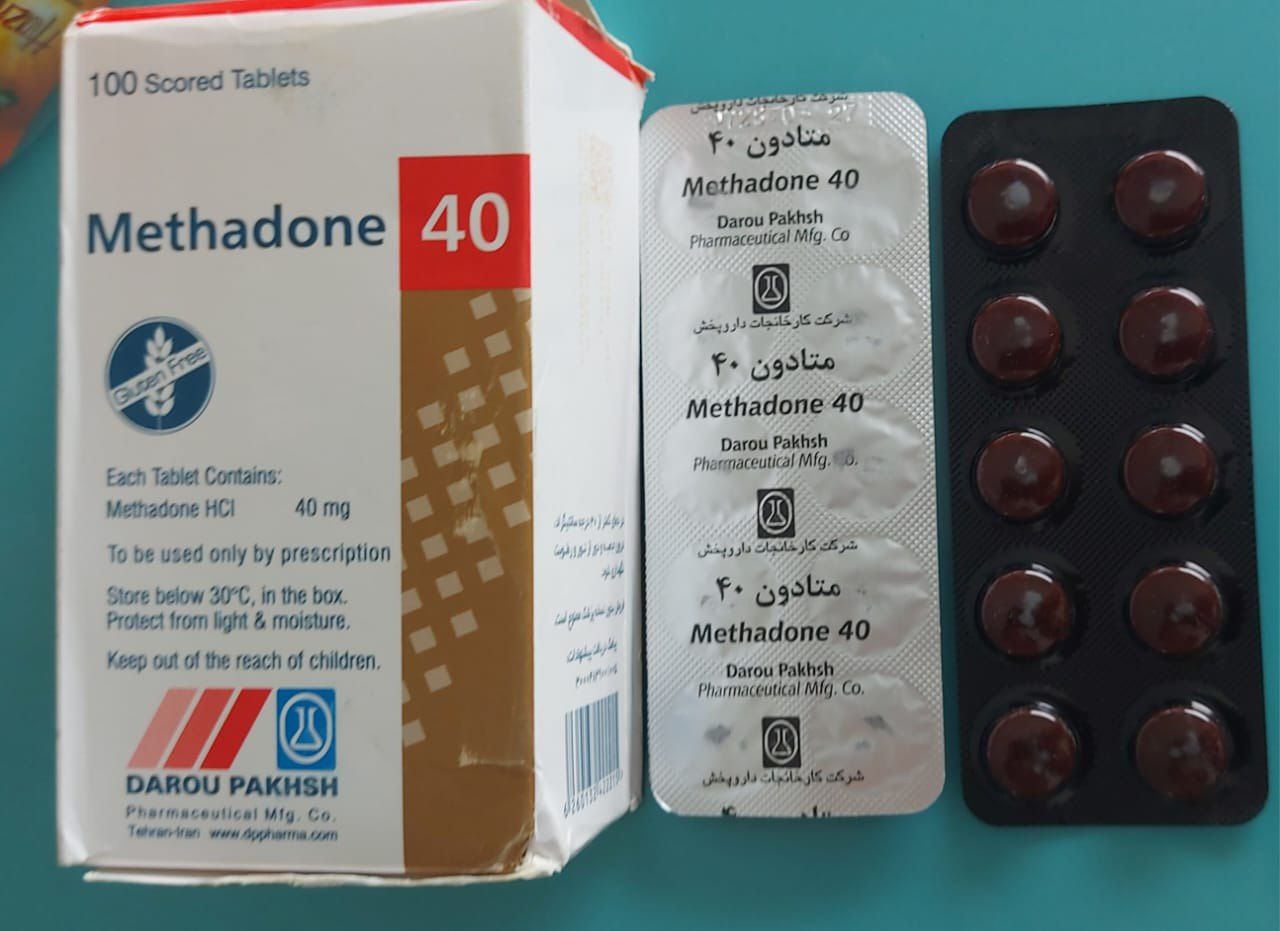
- Controlled medicines (benzodiazepines, opioids) require a special permit from the Ministry of Health
- A personal quantity of medicine, usually up to 3 months' supply, is generally allowed for import
- Packaging must be intact and have the original manufacturer's label
- The declared value of goods must be realistic — under-declaration may cause problems
Temperature-Sensitive Medicines — Specific Tips
Frequently Asked Questions
Is sending medicine to Iran legal?
For personal use and a limited quantity (usually 3 months), it is permitted in most cases. Controlled medicines have specific regulations. Consult with the Ministry of Health or a specialized lawyer.
What should we do if the package is seized at customs?
In case of seizure, go to customs with the doctor's prescription and identification documents. It is often released upon presentation of appropriate documents. Pharmaweb provides guidance in such cases.
How to care for temperature-sensitive medicines?
Check the packaging condition immediately upon receipt. If the ice pack has completely melted, contact the manufacturer regarding the temperature. Most insulins are stable at room temperature for 4 hours.
DHL Express — The best option for urgent medications: DHL Express is the fastest and most reliable international service for shipping medication to Iran. Delivery time is typically 3 to 5 business days. Real-time online tracking is available. DHL has experience working with Iran customs and handles customs documents better than regular mail. Cost: For a 500g package from Europe, approximately $80 to $150. For critical or time-sensitive medications, this cost is justifiable.
EMS Express Post — A balance between price and speed: EMS (Express Mail Service) is an international express postal service in cooperation with the Universal Postal Union. Delivery time to Iran is 7 to 20 days. Online tracking with relatively good coverage. Cost $30 to $60 for packages up to 5 kilograms. For most non-urgent medications that are not temperature-sensitive, EMS offers the best price-speed combination.
Regular Post — Cheapest but slowest: International regular post (SAL or Airmail) is the cheapest option — $15 to $35 for small packages. Delivery time is 20 to 45 days. Tracking is limited and packages can get lost at some stages. For medications you have sufficient stock of and there is no urgent need, regular post can reduce costs. However, for critical medications, this risk is not recommended.
Personal Courier (Traveler) — For controlled or sensitive medications: One of the most common methods in the Iranian community is using a personal courier (a traveler coming to Iran). Advantages: No customs fees for personal quantities, possibility of carrying temperature-sensitive medications with a portable cooler, and faster than post. Limitations: Need to trust the traveler, weight and quantity restrictions, and no delivery guarantee. For controlled medications (benzodiazepines, opioids), the traveler must carry a doctor's prescription.
Essential Customs Documents for Medication: Doctor's prescription (preferably translated into Persian or English). Pharmacy purchase invoice with the declared real value. Sometimes a doctor's explanatory letter justifying the necessity of the medication. For expensive medications (e.g., biologics): Sometimes a medical report or test results is also useful. The more documented you are, the higher the chance of quicker seizure release and clearance at customs.
Iran Customs and Special Medications — What you need to know: Iran Customs divides imported medications into two categories: Permitted medications (which are on the IRFDA list) and medications without Iranian authorization. Medications without authorization may be seized even if they are completely legal in the country of origin. For controlled medications, preliminary authorization from the Iran Food and Drug Administration is mandatory. Before any import, consult with a customs specialist.
Medication Shipment Insurance — Worth it: For expensive medications (expensive insulins, biologics, cancer drugs), cargo insurance is valuable. DHL and FedEx offer additional insurance for high values. Insurance cost is typically 1 to 3 percent of the package value. In case of loss or damage during transport, you receive compensation. Medications lost without insurance incur a heavy cost for the patient.
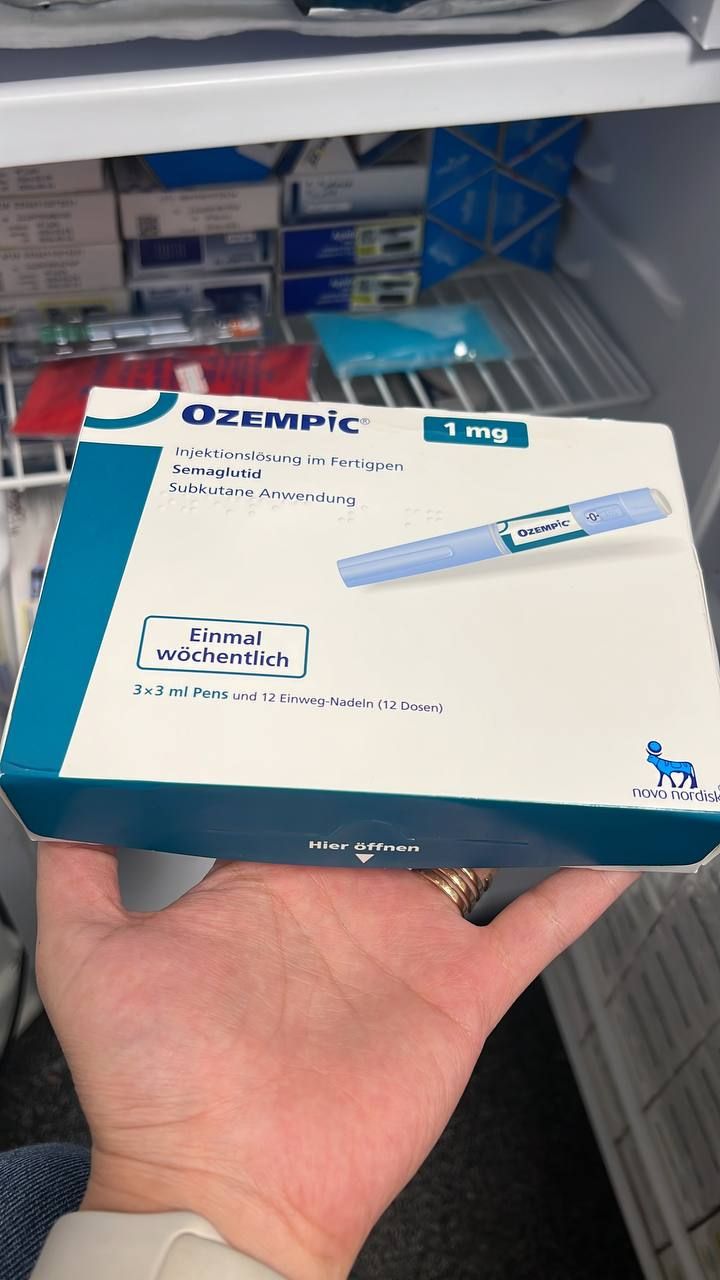
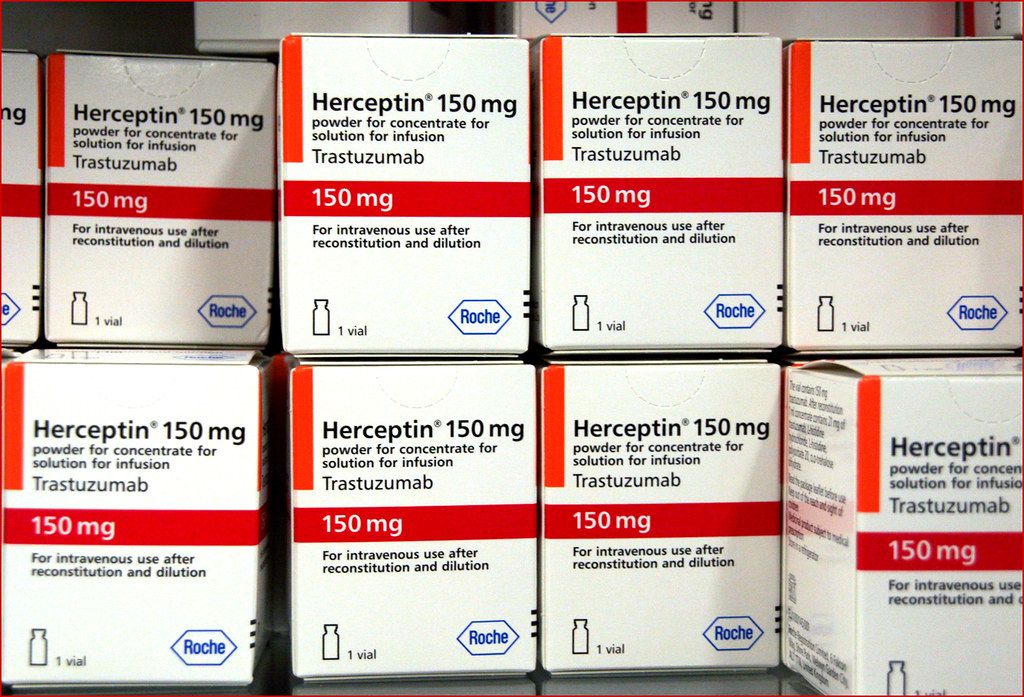
Shipping Biologic Medications — Cold Chain: Biologic medications (insulin, Herceptin, Ozempic, clotting factors) must be kept at 2 to 8 degrees Celsius. For air shipment: Use insulated foam boxes with gel ice packs that maintain coolness for 48 to 72 hours. Some specialized shipping companies (like Marken or World Courier) offer special services for temperature-sensitive medications. PharmaWeb uses these methods for insulin and similar medications.
Order Timing — A critical factor for chronic patients: Chronic patients (diabetes, thyroid, MS, HIV) should place their order 4 to 6 weeks before their medications run out. Customs sometimes causes unexpected delays. During international holidays (Christmas, Nowruz), shipping times increase. For medications where stopping them is dangerous (insulin, cardiac medications, anti-seizure), always maintain at least a 1-month reserve.
What gets seized at customs — common cases: Controlled medications without primary IRFDA authorization. Medications not registered in Iran and lacking documented medical prescriptions. Quantities exceeding 3 months' supply without medical justification. Medications with damaged packaging where customs suspects their authenticity. The best solution if seized: Presenting a medical prescription, making an in-person visit, and in complex cases, seeking help from a lawyer or clearance specialist.
Package weight and dimensions — practical tips: Most medications are lightweight — 100 to 200 tablets usually weigh under 500 grams. Empty boxes add weight — to reduce shipping costs, the pharmacy can send the medication without the external box (just in blister packs and plastic). However, for customs purposes, the manufacturer's original packaging is usually better. For multiple medications, combining them into one package reduces shipping costs.
Online tracking — how to track your package status: DHL: dhl.com/tracking. EMS: track.ems.post or post.ir. FedEx: fedex.com/tracking. Regular Iran Post: post.ir. Get the Tracking Number from the pharmacy. If tracking stops (no update for over 7 days), contact the pharmacy. Often the holdup is at the customs stage and can be resolved with proper documentation.
User experience in medication shipping — what to expect: Successful delivery of medication to Iran requires patience. In the best-case scenario (DHL, complete documentation) 3 to 7 days. In the typical scenario (EMS) 10 to 25 days. In rare cases (customs seizure) an additional 1 to 6 weeks. Pharmaweb accompanies patients through all these stages — from shipping to customs clearance. Our years of experience show that with the right documents, 95% of packages are delivered without issue.
Dealing with customs — practical tips from real experience: Contact the relevant airport or port customs office: Iran Customs support phone number is 1312. Always have a scanned copy of the prescription on your phone as well. If the customs office calls, respond promptly — a delayed response can put the package into a "pending clearance" status which may last for months. Pharmaweb, if needed, issues an official explanatory letter which aids in clearance.
Shipping medication from Turkey — a nearby option: Turkey, due to geographical proximity and better postal relations, is one of the common routes for shipping medication to Iran. Regular post delivery time from Turkey to Iran is 5 to 15 days. Some European pharmacies that have a branch or representative in Turkey can ship from there. Shipping costs from Turkey are usually lower than from Western Europe. Pharmaweb suggests this route for some medications.
Shipping insulin to Iran — specialized guide: Human insulins (NPH, Regular, Glargine, Detemir) are the most sensitive medications. For safe shipping: Use insulated packaging with a 72-hour ice pack. Ship at the beginning of the week so it doesn't get stuck at customs or a warehouse over the weekend. Insulin status after receipt: If kept at room temperature for 2 to 3 days (not refrigerated), most insulins are usable but potency may decrease. Confirm with the manufacturer or pharmacist.
Planning for holidays — shipping at the right time: International holidays (Christmas, New Year, Ramadan) extend delivery time by 5 to 10 days. During these periods, fewer customs and postal office personnel are working. Recommendation: For December/January holidays, place your order early in Azar/November. For Nowruz, register your order before Esfand. Medications whose discontinuation is dangerous (e.g., MS, thyroid, diabetes medications) should have sufficient stock.
Legal Points for Sending Medication to Iran — Frequently Asked Questions: Is importing medication for personal use a crime? No, it is permitted for reasonable quantities for personal use (3 months) with proper documentation. Do I need prior permission? For non-controlled medications, no. For controlled ones (benzodiazepines, opioids), yes. If my package is seized, will I be fined? Usually, seizure is for clearance purposes, not for fines. With proper documents, it is often released. Pharmaub provides precise legal guidance for each country and each medication.
Summary and Final Recommendation for Sending Medication to Iran: The best method varies depending on urgency, temperature sensitivity, and your budget. Urgent and temperature-sensitive: DHL with ice pack. Moderate and budget-oriented: EMS. Non-urgent and cheap: Regular post. Large quantities or controlled medications: Personal courier with documents. In all cases: Complete medical documents, patience, and communication with a reliable consultant like Pharmaub make a fundamental difference.
Health Insurance and Coverage for Foreign Medications — What to Expect: Iranian health insurances (Social Security, Medical Services) typically do not cover unofficially imported medications. However, some private supplementary insurances may reimburse the cost of certain specific medications if no similar domestic alternative exists. Before purchasing, contact your insurer and ask if coverage is available. Pharmaub can issue the necessary documents to present to the insurance.
Sending Eye and Ear Medications — Special Considerations: Eye drops (especially ophthalmic steroids, antibiotics, and glaucoma medications) and ear drops have special considerations. Most eye drops must be refrigerated or kept at room temperature after opening. Some of them should be discarded after one month of use even if not finished. When shipping, ensure the caps are tightly closed and they are placed in a ziplock bag to prevent leakage if airplane pressure changes.
Successful Patients' Experiences with Sending Medication — What They Learned: From Pharmaub patients' experiences: "The first time I was terrified, but when DHL tracked the package and it arrived 5 days later, I realized this system really works." "My most important lesson: always order 2 months earlier — customs once took 3 weeks." "I brought my doctor's prescription in a hurry, but the pharmacy wouldn't proceed without its verification — now I send the prescription before placing the order." These experiences show the importance of planning and good communication with the pharmacy.
FedEx and UPS for Sending Medication — Advantages and Disadvantages: FedEx International Priority and UPS Worldwide Express offer 3 to 5 day delivery times to Iran. Main advantage: Package security and precise temperature monitoring (for biological medications). Disadvantages: Higher cost than DHL on some routes and sometimes more restrictions for the destination Iran. FedEx has a dedicated Cold Chain service for temperature-sensitive medications, which is ideal for insulin, Ozempic, and similar drugs. The cost of this specific service may be 50 to 100 percent higher than regular DHL, but for expensive medications, this extra cost is justified.
CITES Certificate for Some Medications — A Rare but Important Need: Some pharmaceutical substances derived from plants or animals are covered by the CITES treaty. Example: Some traditional Asian compounds. If a specific medication is made from rare natural compounds, it may require a CITES certificate. This is not an issue for most modern medications but is important for some herbal or traditional medications extracted from specific natural resources. A reputable pharmacy will prepare these documents if needed. Checking these requirements before shipping saves the time and cost of potential seizure. Awareness of national and international medication import laws is the best guarantee for a successful shipment.