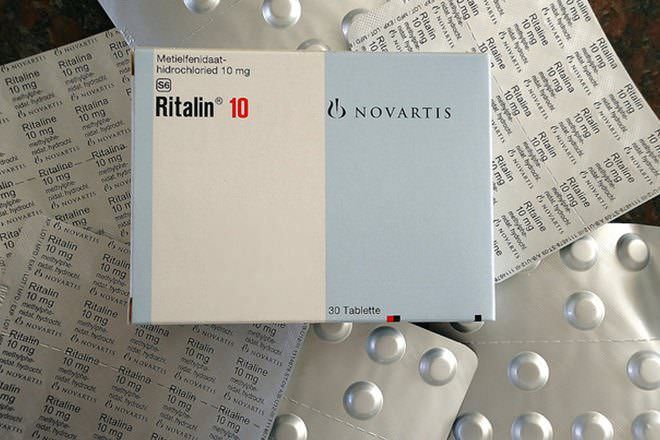
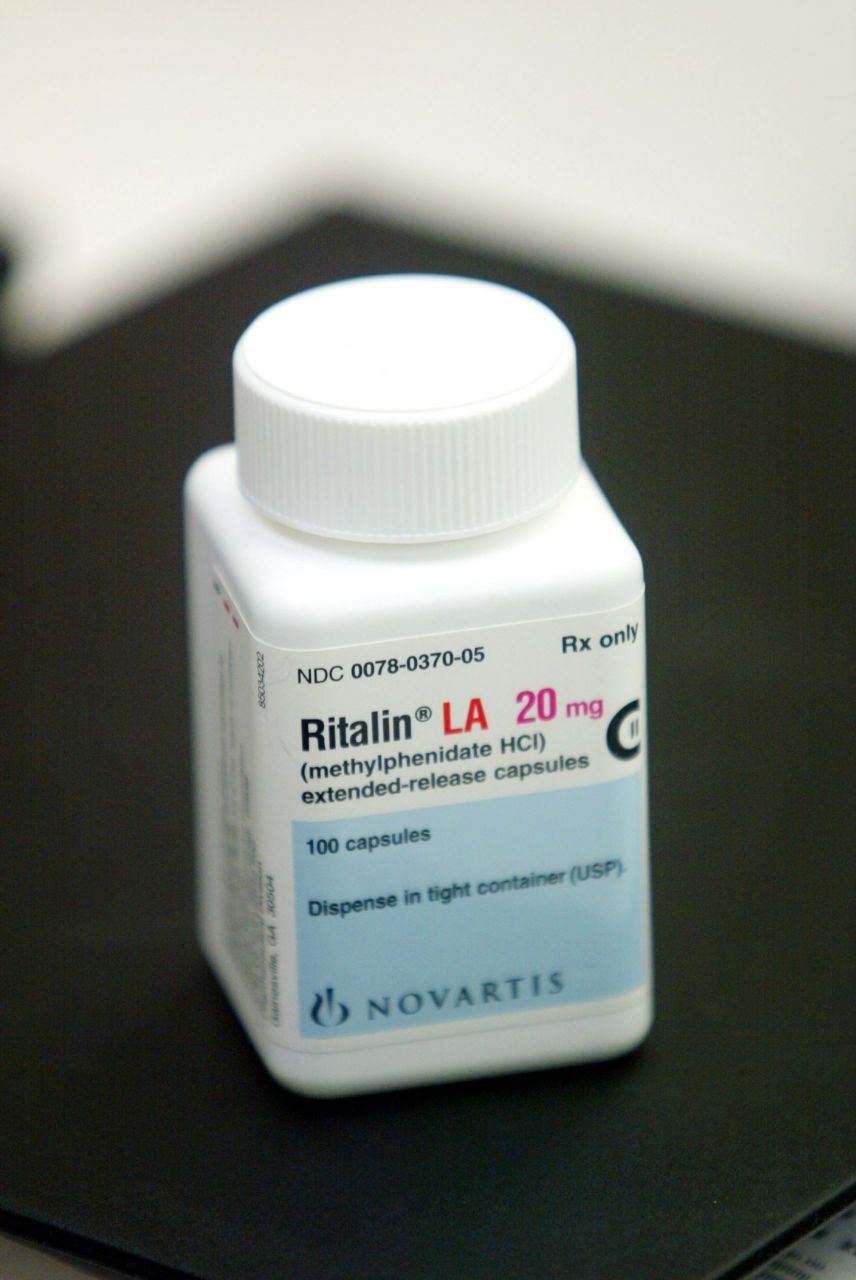
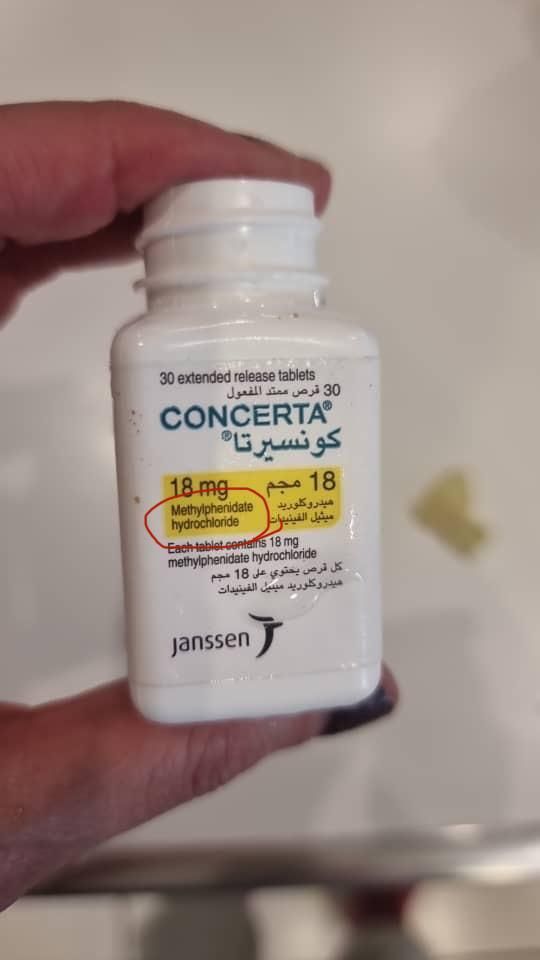
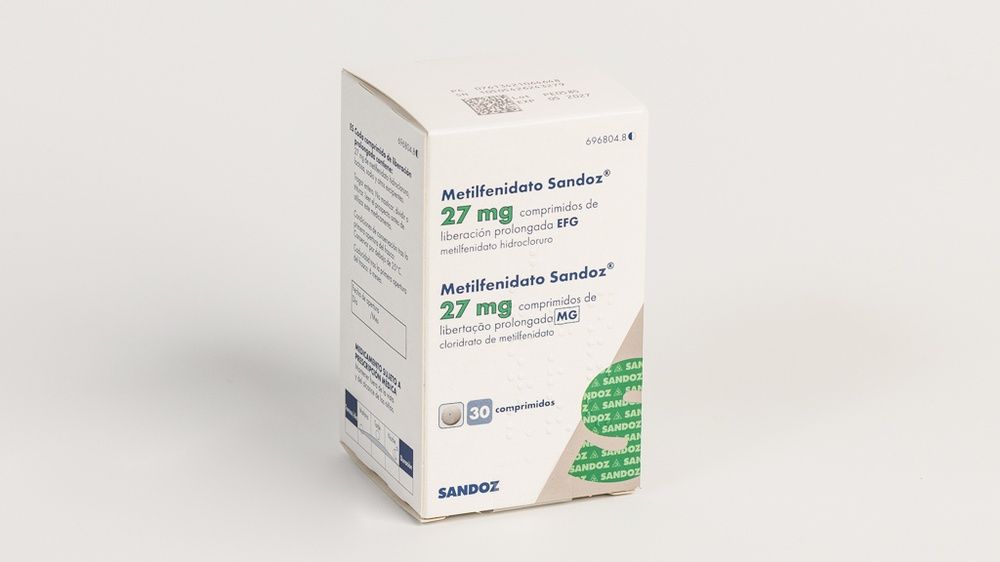
Both are methylphenidate — the same active ingredient, the same mechanism — but a patient's experience with the two can be completely different. The difference lies in the release technology, which determines the shape of the effect curve, the duration of coverage, and the peak/trough experience.
Concerta's OROS Technology — How Does It Work?
Concerta uses OROS (Osmotic Controlled Release) technology. It is a layered tablet: the outer coating contains 18% methylphenidate which is released immediately (initial rapid effect). Inside the tablet are two drug reservoirs that are slowly released via osmosis.
Result: The drug level remains relatively constant over 12 hours — without severe peaks and troughs. The tablet shell is excreted intact after the drug is depleted — this is normal and patients should be aware of it to avoid concern.
Comprehensive Comparison of Ritalin and Concerta
- Duration of Effect4-6 hours
- Doses per Day2-3 times
- Peak/TroughHigher
- FlexibilityHigh
- CostLower
- Duration of Effect12 hours
- Doses per DayOnce
- Peak/TroughLower
- FlexibilityMore limited
- CostHigher
Who Prefers Concerta?
Suitable For
- Children who cannot take a midday dose at school
- Adults with 10-12 hour work schedules
- Those who experience severe peaks and troughs with Ritalin IR
- Individuals who are forgetful and cannot manage multiple daily doses
Who Prefers Ritalin IR?
Suitable For
- Patients who need precise adjustment of coverage time
- Those who sleep at night and do not want the effect to last until late evening
- Patients with a limited budget
- Those who need to chew or take the dose in powdered form
Frequently Asked Questions
Can Concerta be split in half?
No — absolutely not. Splitting Concerta destroys the OROS technology and releases the entire dose at once, which can be dangerous.
Is it normal to see Concerta in stool?
Yes — the plastic tablet shell is excreted after the medication is finished. This is completely normal and does not indicate the medication is ineffective.
Can you switch from Ritalin to Concerta?
Yes — conversion is typically unit-to-unit but dose adjustment may be needed. Consult your doctor.
Concerta and Ritalin both contain methylphenidate but have completely different delivery systems. Concerta uses the OROS (Osmotic Release Oral System): an outer IR coating (22% of the dose) for rapid onset, and a core that slowly releases the dose via an osmotic pump over 10 to 12 hours. This leads to a more uniform profile.
Practical comparison of Concerta and Ritalin XR: Ritalin XR (Ritalin LA) uses half-half coated beads — half IR, half ER. It has a "double-peak" effect: first peak at 1 to 2 hours and a second peak about 5 hours later. Concerta does not have a distinct peak — its effect is more gradual and longer-lasting. Patients who need afternoon coverage usually prefer Concerta.
Concerta and children: Approved for children 6 years and older. The Concerta tablet must not be broken, chewed, or crushed — this destroys the OROS system. If a child cannot swallow a capsule, Ritalin LA is better (the capsule can be opened). The Concerta tablet shell may be seen in stool — this is normal, the active ingredient has been absorbed.
Comparative effects in research: The large MTA (Multimodal Treatment of ADHD) study showed that stimulant medication alone performed better on core ADHD symptoms than behavioral therapy alone, but the combination of both was better for quality of life and comorbid problems. No study has proven that Concerta or Ritalin have different overall efficacy — the choice is based on patient convenience.
Ritalin titration and adjustment: Some patients feel the medication is too strong or too mild when first starting. If Ritalin is too strong: reduce the dose. If it is too weak: the doctor may increase the dose or switch to Concerta. Never adjust the dose on your own — sudden changes can have side effects.
Impact of physical activity on ADHD: 30 minutes of moderate aerobic exercise has an effect similar to a small dose of Ritalin — albeit temporary (2 to 3 hours). Regular exercise improves brain structure in areas involved in ADHD. For children with ADHD, extra exercise at school is better than more sitting in class. Combining medication and exercise yields the best results.
Concerta and swallowing difficulty: If a patient has difficulty swallowing large tablets, Concerta is not a suitable option. Ritalin LA capsules can be opened. Ritalin IR has smaller tablets. Methylphenidate chewables are available in some countries. To choose the appropriate form, the patient's practical needs must be considered.
Preventing misuse in adolescents: Adolescents with ADHD have a higher risk of substance misuse if ADHD is untreated. Interestingly, proper treatment with stimulants reduces this risk — likely because the brain gets enough dopamine and the need to "self-medicate" with other substances decreases. Tablets should be kept in a secure place and their count monitored by parents.
The role of behavioral therapy alongside medication: Medication controls symptoms but does not teach skills. The child must learn how to plan, prioritize tasks, and manage impulses — these are taught by cognitive-behavioral therapy (CBT). In adults with ADHD, coaching is also very effective. Medication and psychotherapy together yield the best outcome.
The Future of ADHD Treatment: Research on non-drug methods is advancing — Neurofeedback (brain biofeedback), tDCS (transcranial direct current stimulation), and computerized cognitive rehabilitation programs. None have yet demonstrated efficacy as proven as medication. However, for patients for whom medication is not suitable, valid alternative options are available.
Transitioning from Ritalin to Concerta — When? A doctor may recommend switching to Concerta when: the patient takes Ritalin IR three times a day and forgetting doses is a problem, or when the Rebound Effect (severe symptom return at the end of the day) is problematic, or when parents want their child to take medication only once a day. Concerta with OROS creates a more uniform profile — lower peak, less trough, and longer afternoon coverage.
Concerta and Nutrition: Unlike Ritalin IR, which is absorbed well with or without food, Concerta with a high-fat meal may work slightly slower — but overall, food does not have a significant effect on OROS. Drinking sufficient water with the tablet is recommended. Vitamin C and acidic juices (orange, grapefruit) can reduce methylphenidate absorption — it's better to have at least a one-hour gap. A proper breakfast before taking the morning medication helps improve afternoon appetite.
Ritalin for Adults in the Workplace: In adults with ADHD, Ritalin can improve job performance — reducing mistakes, improving time management, and completing projects. One study showed that adults with ADHD receiving proper treatment had an average annual income 18% higher than their untreated ADHD counterparts. In professions like surgery, aviation, and professional driving, there are specific regulations for stimulant use — consult with your employer and regulatory organization.
Methylphenidate Interaction with the Brain's Pigment System: The most interesting recent finding is that methylphenidate (Ritalin/Concerta) regulates not only dopamine but also neuromelanin (the protective pigment of dopaminergic neurons). In long-term studies (2+ years), Ritalin use has been associated with better preservation of dopaminergic neurons in the substantia nigra — this finding may indicate that ADHD treatment could also reduce the risk of Parkinson's. This evidence is still preliminary but promising.
Ritalin and Concerta in Diabetic Patients: Methylphenidate does not directly change blood sugar, but reduced appetite can affect glycemic control. If a diabetic patient is on insulin or sulfonylureas, they should have more precise blood sugar monitoring at the start of Ritalin treatment. Also, some diabetes medications are metabolized via CYP2D6, which Ritalin inhibits — this interaction should be reviewed with a doctor.
Correct Method for Diagnosing ADHD in Adults: Diagnosing ADHD in adults is much more complex than in children. Required tools: structured clinical interview, standardized questionnaires (CAARS, DIVA), childhood information (report cards, parental reports), and ruling out similar disorders (depression, anxiety, sleep deprivation, thyroid problems). In Iran, the number of specialists who diagnose adult ADHD is limited — a psychiatrist or clinical psychologist specialist is the most appropriate option.
Concerta During Puberty: Adolescents with ADHD experience hormonal changes during puberty that may alter their response to medication. Some adolescents may require a higher dose during this period, while others may experience improved symptoms. Puberty also brings new ADHD challenges: relationships, driving, risk of substance abuse. Continuous psychiatric care during this period is of particular importance.
Summary — Ritalin or Concerta: There is no one-size-fits-all answer. Treatment typically begins with short-acting Ritalin IR to confirm efficacy and tolerability. Then, if longer coverage is needed, a switch is made to Concerta or Ritalin LA. A trial of several weeks for each formulation is essential — what seems more logical on paper may not be the best for that specific patient. The decision should be made collaboratively between the physician, the patient, and (for children) the parents.
Purchasing legitimate Ritalin and Concerta in Iran: Ritalin and Concerta are controlled substances — purchasing them without a prescription is illegal. Physical pharmacies sometimes face shortages, especially of foreign brands. Pharmacob, with its digital prescription verification system and secure delivery, provides access to genuine Ritalin and Concerta for families in major cities or remote areas — while maintaining all legal and pharmaceutical standards.
Concerta in patients with exam anxiety: Exam anxiety is very common in students with ADHD — the inability to organize and the feeling of repeated failure create chronic anxiety. Concerta breaks this vicious cycle by improving cognitive function. However, it is important that psychological treatment for anxiety (CBT) is also provided concurrently — untreated anxiety reduces the effectiveness of Concerta. Concerta's advantage of causing less anxiety-related side effects compared to Ritalin IR is a particular benefit for these patients.
Ritalin and breathing exercises: Breathing exercises can enhance Ritalin's effect on impulse control. Diaphragmatic breathing increases parasympathetic nervous system activity and lowers cortisol — the exact opposite of the stress response. For children and adolescents with ADHD, simple techniques like "box breathing" (inhale for 4 seconds, hold for 4 seconds, exhale for 4 seconds) can be helpful in moments of high impulsivity.
Indirect costs of untreated ADHD: Untreated ADHD carries significant indirect costs — academic decline, occupational problems, unsuccessful relationships, and a higher risk of addiction. American studies have shown that the annual cost of untreated ADHD per individual (in terms of reduced productivity) exceeds $14,000. In contrast, the annual cost of Ritalin or Concerta is much lower. This economic perspective shows that treatment is an investment, not an expense.
Checklist for starting Ritalin or Concerta treatment: Comprehensive evaluation by a psychiatrist or psychologist. Baseline tests (blood pressure, heart rate, weight in children). Review of current medication list for interactions. Education for parents and patient about administration, realistic expectations, and potential side effects. Schedule for follow-up visits — 2 to 4 weeks after starting, then every 3 months. Clear treatment goal (improving school, work, or relationship performance). This checklist transforms a potentially frustrating trial-and-error medication experience into a planned treatment.
Concerta and Ritalin — a legacy of 60 years of research: Ritalin was first introduced to the market in 1956 — it is one of the most studied drugs in the history of psychiatry. Over 200 controlled clinical trials have confirmed its safety and efficacy in ADHD. Generations of children with ADHD have been able to pursue successful academic and career paths with the help of this medication. Pharmacob delivers this well-known medication with verified quality and a reliable supply chain to those in need. The treatment decision lies with the physician, but access to genuine medication is with Pharmacob. Genuine Concerta and Ritalin with a valid prescription is an investment in the future of children and adults who deserve the best possible treatment. If you have questions about how to obtain or use the medication, Pharmacob's pharmaceutical consultants are ready to answer. Treating ADHD is a long but worthwhile journey.
Sources and References
- U.S. Food and Drug Administration (FDA) — Official drug labeling and safety warnings
- UK National Institute for Health and Care Excellence (NICE) — Clinical guidelines
- UpToDate — Evidence-based clinical review