The World Health Organization estimates that 10% of drugs on the global market are counterfeit. This number may be much higher in less regulated markets. Counterfeit drugs can be ineffective, harmful, or fatal. This guide teaches 10 practical methods to distinguish genuine drugs from fake ones.
10 Methods to Identify Counterfeit Drugs
Counterfeit Drug Detection Checklist
Step 1: Check the Hologram
A genuine hologram changes color from different angles. A counterfeit hologram is often dull, single-colored, or peelable. Touch the hologram with your finger — it should be smooth and hard.
Step 2: Serial Code and Online Verification
Most major manufacturers have verification websites. Enter the serial code on the box on the manufacturer's official website or apps like Goldleaf.
Step 3: Check the Packaging
Genuine packaging is flawless, with clear, consistent printing. Be suspicious if letters are slanted, colors are inconsistent, or text uses a non-standard font.
Step 4: Pill Color, Size, and Shape
Compare with the manufacturer's official photos. Genuine pills are uniform, have a smooth surface, and consistent color. Differences in size, color, or break lines are a warning.
Step 5: Smell and Taste (for liquids)
If it has an unusual smell or unfamiliar taste, there is a possibility of forgery. However, this method alone cannot be definitive.
Step 6: Expiry and Manufacturing Dates
Dates should be clear, printed (not handwritten), and logical. The manufacturing date should be before the expiry date — the interval is usually 2-5 years.
Step 7: Address and Manufacturer Information
Match the factory address on the box with the manufacturer's official website. Reputable manufacturers have complete and accurate information.
Step 8: Appearance of Internal Packaging
Blister foil should be tight and without bubbles. Bottle caps should be tightly closed and have a security seal.
Step 9: Price and Source
A price significantly lower than the usual market is often a sign of forgery. If they are selling it 40-50% cheaper than the official price, the likelihood of fraud is high.
Step 10: Compare with a Previous Authentic Sample
If you have previously obtained the drug from a trusted source, compare the new sample with it in every aspect — color, smell, effectiveness.
Frequently Asked Questions
What is the impact of counterfeit drugs?
Depending on the type of forgery, a counterfeit drug may: have no effect at all (if it lacks the active ingredient), cause dangerous side effects (if it contains impurities), or in the worst case, be fatal.
Where to report counterfeit drugs?
In Iran: The Food and Drug Organization (ir.fda.gov.ir). If purchased from abroad, you can also report to WHO or INTERPOL.
Do large pharmacies sell counterfeit drugs?
Reputable chain pharmacies work with official suppliers and have very low risk. The main danger lies in informal markets, anonymous online sellers, and street vendors.
Drug Hologram — How to Check: A genuine hologram changes color and pattern when you alter your viewing angle. A counterfeit hologram is often monochrome and static or appears "printed" onto the label. For a deeper test, examine the hologram with a magnifying glass — a genuine hologram has very fine microstructures that are extremely difficult and expensive to counterfeit. The original manufacturer usually publishes hologram verification instructions on their official website.
Serial Code and Online Verification — A Powerful Tool: Most major pharmaceutical manufacturers have online verification systems. You enter the serial code on the box, and the system states whether the code is valid or not, genuine or duplicate. Examples: Pfizer Verify, Roche product authentication. In Iran: Some drugs can be inquired about via the IRFDA system. If the serial code is declared "invalid" or has already been used — the drug is definitely counterfeit.
Checking Packaging — Subtle Signs of Forgery: Counterfeit packaging usually has subtle signs that are not immediately obvious: slightly slanted or unbalanced letters. Colors slightly different from the genuine sample. A slightly different font in the drug information. A smell of plastic or printing different from the genuine box. Box edges that are less precise. These signs are only detectable by comparison with a known genuine sample — photos on the manufacturer's official website are a good reference.
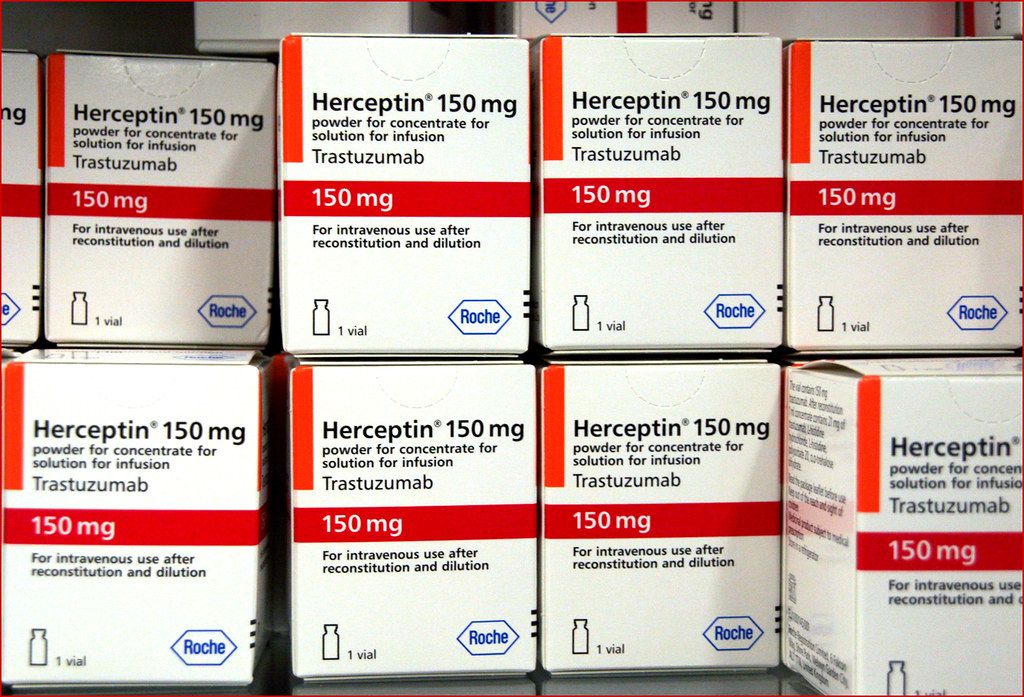
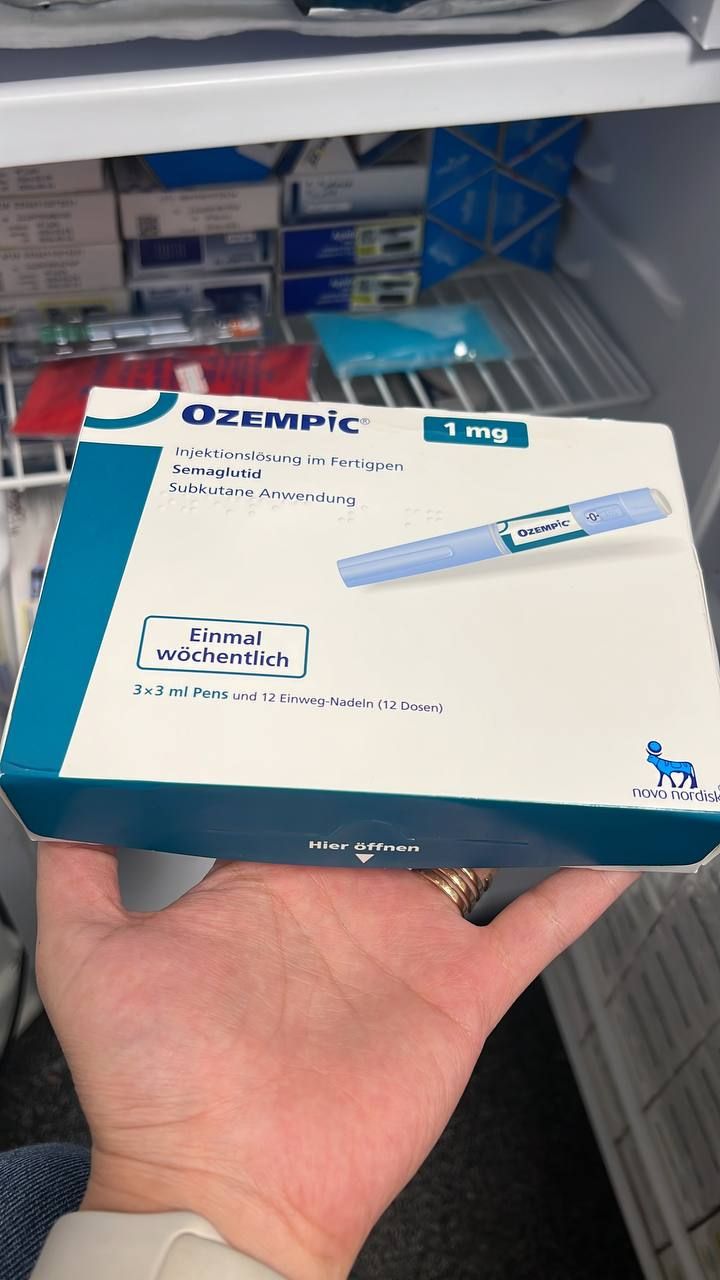
Biological Drugs — Highest Risk of Counterfeiting: Biological drugs (Herceptin, Ozempic, Avastin, insulin) are the most common victims of counterfeiting because they have very high prices. Counterfeiting these drugs can be fatal — a cancer patient receiving a drug without the active ingredient will experience disease progression. For these drugs, there must be a documented supply chain from the manufacturer to the authorized distributor and reputable pharmacy. The original manufacturer issues a Certificate of Analysis.
WHO's IMPACT Program: WHO has launched the IMPACT (International Medical Products Anti-Counterfeiting Taskforce) program to combat counterfeit drugs globally. This program collaborates with international police (Interpol), customs, and national drug regulatory agencies. Reporting suspicious drugs to the WHO office in Iran or directly to ir.fda.gov.ir can help identify counterfeit distribution networks. Every report matters.
Iran Food and Drug Organization (IRFDA) — Role in Combating Counterfeiting: IRFDA is responsible for monitoring the quality and authenticity of drugs in Iran. The organization conducts random sampling from pharmacies and performs quality tests. Suspicious drug reporting system: ir.fda.gov.ir. The 1490 information center is active for reporting counterfeit drugs. Patients can keep the packaging of a suspicious drug and submit it to IRFDA for testing.
Suspicious Pricing — When to Be Concerned: A simple rule of economics says if something is too cheap, there's a reason. Expensive drugs like MS drugs, cancer drugs, or growth hormones sold at 50% cheaper than the official global price are likely counterfeit. Sources that supply "original active ingredients" through informal channels are usually inexperienced players or fraudsters. Check the official drug prices from the manufacturer's website or reputable international pharmacies.
Growth Hormone (HGH) Drugs — One of the Most Counterfeited: Growth hormone (Somatropin/HGH) is one of the most counterfeited drugs in the world, especially in the athlete market. Counterfeit drugs may contain injectable water, cheap materials, or even low-quality hormone. If you need HGH for medical treatment (short stature, adult growth hormone deficiency), only purchase it from reputable pharmacies with a specialist's prescription. Testing IGF-1 levels after starting use confirms the drug was genuine.
Counterfeit Anti-Cancer Drugs — A Deadly Risk: Counterfeiting anti-cancer drugs is one of the biggest pharmaceutical crimes. A drug without active ingredient means no cancer treatment and disease progression. A drug with a substituted toxic substance can be directly fatal. The supply chain for anti-cancer drugs must be fully documented. In Iran, anti-cancer drugs are under more supervision, but a gray market still exists. Pharmaup only supplies anti-cancer drugs with official European certificates.
Preventing Exposure to Counterfeit Drugs — The Best Strategy: The best defense is choosing a reliable source from the start. Licensed physical pharmacies, reputable hospitals, and internationally validated online pharmacies minimize risk. Documenting every purchase (keeping the receipt, serial number, and box image) is helpful if a problem arises. Maintain constant communication with your chosen pharmacist — they can detect unusual signs in the drug early.
Check the LOT code and serial number on the box and, if possible, inquire about the serial number directly in the manufacturer's system. For biological drugs, ask support about the manufacturer's Certificate of Analysis. If you have any doubts about a drug's authenticity, contact Pharmaup support before use; the possibility of return or replacement will be reviewed according to the return conditions.
Counterfeit Injectable Drugs — A Direct Infection Risk: Counterfeit injectable drugs (like injectable vitamins, hormones, clotting factors), besides lacking active ingredients, may be contaminated with bacteria or particles. Sterility (being free of microbes) is a requirement for injectable drugs that is costly and counterfeiters neglect it. Injecting a drug with bacteria can cause endocarditis, sepsis, or injection site abscess. Never purchase injectable drugs from unofficial sources.
Counterfeit Weight Loss Drugs — A Hidden Epidemic: Weight loss drugs are one of the most counterfeited categories. Many so-called slimming pills contain sibutramine (a banned cardiovascular drug), fenfluramine, or amphetamines, which have serious cardiac risks. In Iran, reports exist of "herbal" or "natural" slimming products containing hidden banned drugs. If you need weight loss, consult a doctor or nutrition specialist — not suspicious online sellers.
Drug Testing Laboratories — Common Technologies: Reputable pharmaceutical laboratories use methods like HPLC (High-Performance Liquid Chromatography), Mass Spectrometry, and FTIR (Fourier-Transform Infrared Spectroscopy) to confirm drug authenticity and dosage. If you are highly suspicious a drug is counterfeit, some independent pharmaceutical laboratories can analyze the sample. The cost of these tests may be high but is worthwhile for expensive or vital drugs.
Systematic Prevention of Exposure to Counterfeit Drugs: The best strategy is multi-layered. First layer: choosing a reliable source from the start. Second layer: checking the packaging upon receipt. Third layer: online verification of the serial number. Fourth layer: monitoring clinical response — investigate if the drug isn't working as before. Fifth layer: reporting to IRFDA if suspected. This systematic approach minimizes the chance of successful exposure to counterfeit drugs.
Safe Purchasing from Pharmaup — Summary: Pharmaup publishes this guide for one simple reason: we want Iranian patients to receive genuine medications. If you purchase medication from any source, use these 10 methods. If you purchase from Pharmaup, we guarantee the authenticity chain. If a medication is suspicious, contact us — we are accountable. Counterfeit medication means not only wasted money but also that your life may be at risk.
Counterfeit Herbal Medications — The Less Known Risk: Many herbal and natural supplements in Iran contain undeclared pharmaceutical compounds. "Herbal weight loss" products may contain hidden sibutramine. "Herbal sexual enhancement" pills may contain hidden sildenafil. Bodybuilding supplements may contain hidden anabolic steroids. These "hidden active ingredients" can have serious interactions with your prescribed medications. Always read the full list of ingredients and consult with a pharmacist.
The Social Importance of Combating Counterfeit Medication in Iran: The market for counterfeit medications is larger in countries where access to genuine drugs is difficult (like Iran due to sanctions). Public awareness is the strongest weapon in this fight. Every patient who knows the methods to identify counterfeit drugs not only protects themselves but also passes the information on to others. Pharmaup has published this article to freely educate the patient community — share it with other patients.
Final Warning — Beware of "Pseudo-Pharmacies" on Social Media: Telegram channels, Instagram pages, and WhatsApp groups that claim to sell "genuine foreign medications" operate without any license. Proving authenticity in these channels is nearly impossible. Photos of drug packaging are easily forged. Do not believe claims of "direct source from the factory" without any verifiable proof. Always purchase from a source that is accountable and provides a real method for verifying authenticity.
Identifying Counterfeit Medication Through Clinical Efficacy: One of the important signs of counterfeit medication is a sudden change in efficacy. If you obtained a medication that always worked well from a new source and its effect suddenly diminished — this is a major warning. Common examples: insulin that doesn't control blood sugar, thyroid medication where symptoms return, or an antibiotic where the infection doesn't improve. Of course, other causes (disease progression, food interactions) are also possible, but a change coinciding with a change in source is the strongest indicator.
Community Education — Why This Knowledge Matters: Every patient who knows the methods to identify counterfeit medication is a line of defense against this deadly trade. When consumers are aware, the counterfeit drug market shrinks. Share this education with family members, friends who are patients, and disease support groups you are a member of. If this article has been useful to you, share its link on social media — this in itself is a public health act. Community health is built on the awareness of each member, and genuine medication is the rightful entitlement of every patient.
Summary of 10 Identification Methods at a Glance: One: Hologram changes color under different angles. Two: Verify the serial code online. Three: Packaging free of typographical errors. Four: Pill color and shape matches the manufacturer. Five: Natural smell for liquid medications. Six: Expiry date clear and logical. Seven: Manufacturer's address verifiable. Eight: Blister pack firm without bubbles. Nine: Price within the logical market range. Ten: Compare with a previous authentic sample. These 10 simple checks can save your life.
Sources and References
- World Health Organization (WHO) — Drug guidelines and Essential Medicines List
- Iran Food and Drug Administration — List of authorized drugs and authenticity verification