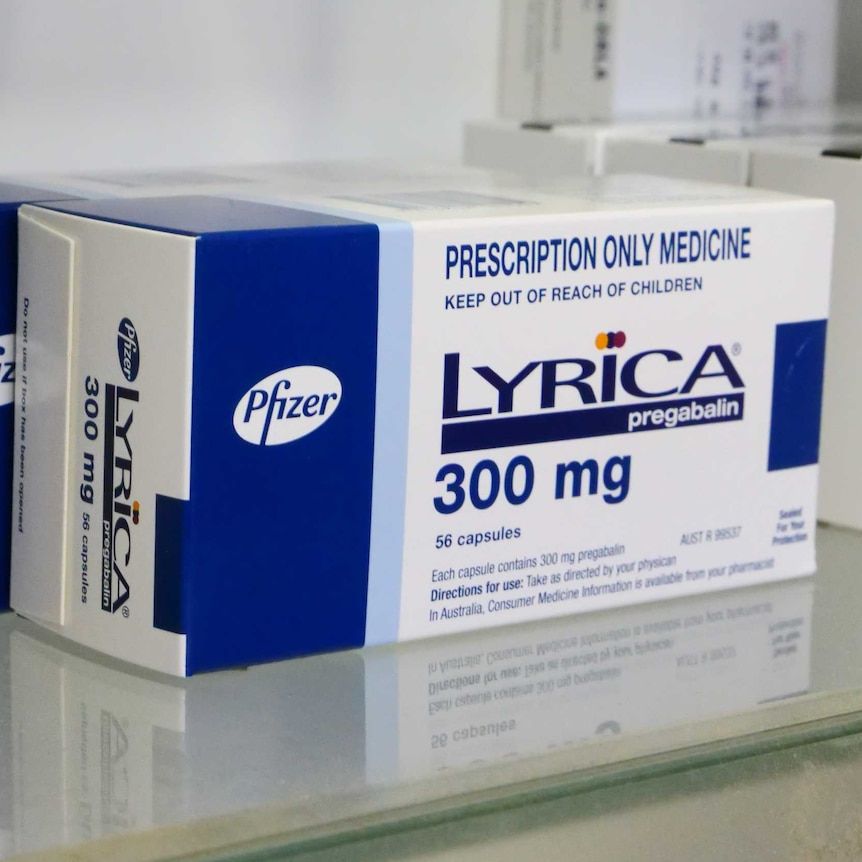
Pregabalin (Lyrica) is a GABA analog drug approved by the FDA for three main uses: neuropathic pain (diabetic peripheral neuropathy, postherpetic neuralgia), fibromyalgia, and generalized anxiety disorder (GAD). Its mechanism of action involves blocking the alpha-2-delta subunit of voltage-dependent calcium channels in central and peripheral nervous system neurons.
Pregabalin Dosing Based on Indication
Pregabalin Dosing
- 1StageTreatment InitiationDose75 mgFrequencyTwice dailyNoteFirst week — to reduce side effects
- 2StageDiabetic Neuropathic PainDose150-300 mg/dayFrequencyTwo or three timesNoteEffective in most patients
- 3StageGAD and FibromyalgiaDose300-450 mg/dayFrequencyTwice dailyNoteAdjust based on patient response
- 4StageMaximum DoseDose600 mg/dayFrequencyThree timesNoteOnly for severe pain — higher risk of side effects
Comparison of Pregabalin vs. Gabapentin
- AbsorptionUp to 90% — linear and predictable
- Onset of EffectFaster
- Daily Dosing2-3 times
- PriceMore expensive
- Legal StatusControlled (Schedule V in the US)
- Absorption27-60% — dose-dependent
- Onset of EffectSlower
- Daily Dosing3-4 times
- PriceCheaper
- Legal StatusUncontrolled (in most countries)
Frequently Asked Questions About Pregabalin
Frequently Asked Questions
Is pregabalin addictive?
It has dependence potential, but significantly less than opioids. Sudden discontinuation after long-term use can cause withdrawal symptoms (anxiety, sweating, insomnia). Gradual tapering is essential.
Is pregabalin suitable for sleep?
Yes — drowsiness is a common effect of pregabalin. Some doctors prescribe it for insomnia related to neuropathic pain, but this is off-label.
Why should pregabalin be taken with food?
It is not necessary — pregabalin can be taken with or without food. If you experience nausea, take it with food.
Can pregabalin and opioids be taken together?
With great caution and under medical supervision. Combining the two can increase the risk of respiratory depression, but they are used in combination for some severe pains.
Pregabalin's mechanism at the molecular level: Pregabalin binds to the alpha-2-delta subunit of voltage-gated calcium channels. These channels become overactive in damaged nerve endings. By blocking the channels, the release of glutamate, substance P, and other pain neurotransmitters is reduced. Result: decreased central sensitization, which underlies chronic pain.
Diabetic neuropathic pain — why pregabalin is a first choice: Diabetic nerve pain (burning, tingling, electric shocks in the feet) is caused by damage to peripheral nerves. In large clinical trials, pregabalin reduced pain by 50% in 50% of patients. Duloxetine (SNRI) is a suitable alternative. Tricyclics (amitriptyline) are effective but have more cardiac side effects and drowsiness.
Fibromyalgia — a disease that ordinary drugs do not treat: Fibromyalgia is a central sensitization disorder — pain signals are amplified in the brain. Anti-inflammatory drugs (NSAIDs) and ordinary painkillers have little effect. Pregabalin (Lyrica), duloxetine (Cymbalta), and milnacipran (Savella) are the three FDA-approved drugs for fibromyalgia. Gentle aerobic exercise alongside medication is essential.
GAD (Generalized Anxiety Disorder) — evidence for pregabalin: In Europe, pregabalin is approved for GAD. Meta-analysis has shown its efficacy in GAD is similar to benzodiazepines — but without the risk of serious dependence. The onset of anti-anxiety effect is relatively rapid (1 to 2 weeks). For patients who did not respond adequately to or could not tolerate SSRIs, pregabalin is a valuable option.
Gabapentin vs. pregabalin — practical differences: Both bind to alpha-2-delta, but pregabalin has better and more predictable absorption. Gabapentin has variable absorption (33% to 66%, dose-dependent). Pregabalin has simpler dosing. In some countries, gabapentin is cheaper (more extensive generics). Clinical efficacy is similar, but pregabalin is often preferred.
Pregabalin and the kidneys — dosing in renal failure: Pregabalin is excreted via the kidneys (without hepatic metabolism). In patients with reduced GFR, the dose must be reduced: GFR 30 to 60: reduce dose by 50%. GFR less than 30: reduce dose by 25%. Dialysis: a supplemental dose should be given after each dialysis session. Monitoring renal function in diabetic patients on pregabalin is essential.
Cognitive side effects of pregabalin: Headache and dizziness (especially at the start), blurred vision, drowsiness, and impaired concentration are common side effects. These effects are more severe with overdose. Starting with a low dose (75 mg twice daily) and gradual increase helps. Ankle swelling (peripheral edema) occurs in up to 16% of patients and sometimes requires discontinuation.
Pregabalin abuse potential — a real concern: In some countries (Europe, Iran), pregabalin is abused for its euphoric effects at high doses. In Iran, this drug is a controlled substance. The risk of dependence is higher in patients with a history of substance abuse. Doctors should check abuse history before prescribing.
Postherpetic neuralgia (PHN) pain — one of the most painful pains: Postherpetic neuralgia (shingles) is one of the most painful neuropathic pain conditions. Pregabalin, gabapentin, amitriptyline, and topical lidocaine cream are the main options. The Zostavax (shingles) vaccine is highly effective for prevention in individuals over 50. Early treatment of shingles with acyclovir reduces the risk of PHN.
Pregabalin in post-operative pain: Studies have shown that a single dose of pregabalin before surgery reduces post-operative analgesic consumption. This approach is called "multimodal analgesia." In major surgeries (joint replacement, spinal surgery), pregabalin plays an important role in reducing dependence on opioids.
Pregabalin and bipolar disorder — caution is necessary: Pregabalin may trigger mania in bipolar patients — although evidence is limited. In bipolar patients who require pregabalin for GAD or neuropathic pain, mood stabilizers should be continued concurrently. Consult a psychiatrist before starting.
Role of pregabalin in alcohol dependence treatment: Pregabalin reduces alcohol withdrawal anxiety and may lower the risk of relapse. Some European addiction treatment centers use it as part of alcohol withdrawal protocols. However, pregabalin's own potential for misuse must be monitored in these patients.
Sourcing original Lyrica in Iran: Iranian pregabalin (Lyrica) is available in pharmacies but quality is not uniform. Original European Lyrica (Pfizer) has more consistent quality. Pharmaob, with a valid doctor's prescription, provides the possibility of sourcing original Lyrica for patients with chronic pain. For diabetic neuropathy and fibromyalgia patients who require consistent drug quality, this difference is important.
Pregabalin and driving — important warning: Pregabalin at high doses or at treatment initiation can slow reflexes. For the first few weeks of treatment, caution is required when driving and operating heavy machinery. If you experience dizziness or blurred vision, report it immediately. This caution is particularly important because many patients on pregabalin have underlying conditions that themselves affect driving.
Peripheral edema caused by pregabalin — clinical management: Swelling of the ankles and feet (peripheral edema) occurs in up to 16% of pregabalin patients, especially at higher doses. This edema is usually harmless but uncomfortable. Management: reduce dose if possible, elevate legs, and in severe cases discontinue the drug. In patients with heart or kidney failure, pregabalin-induced edema can be more dangerous and requires more careful assessment.
Pregabalin in palliative care: In patients with advanced cancer who have neuropathic pain (pain from nerve involvement by tumor or chemotherapy), pregabalin plays an important role. Combining pregabalin with strong opioids (morphine, oxycodone) can improve pain control without increasing opioid dose. In palliative care, quality of life is the primary goal — pain control is justified even in the case of dependence.
Pregabalin and sleep — positive effect in chronic pain: One of the notable benefits of pregabalin is improved sleep quality. Patients with chronic pain often have disturbed sleep — nighttime pain wakes them up. Pregabalin improves sleep quality by reducing pain and through a direct sedative effect. In clinical studies, fibromyalgia patients reported significant improvement in sleep quality. This positive effect on sleep can break the vicious cycle of pain-insomnia-more pain.
Pregabalin for epilepsy pain and post-stroke seizures: Pregabalin is approved as an add-on therapy in the treatment of partial epilepsy. There is also good evidence for its use in chronic post-stroke pain, which is a type of central pain. The same mechanism (blocking calcium channels) is effective in both controlling seizures and controlling central neuropathic pain. The dose for epilepsy is usually similar to the dose for pain.
Gradual discontinuation of pregabalin — Importance of tapering: Sudden discontinuation of pregabalin after long-term use can cause withdrawal symptoms: anxiety, insomnia, nausea, sweating. Recommended reduction rate: 10 to 25 percent per week. If withdrawal symptoms appear, slow down the rate. In patients who have been on high doses long-term, the tapering process may take several months. Never stop pregabalin suddenly without medical guidance.
Pregabalin in diabetic patients — Why it is particularly important: Diabetic patients face two simultaneous challenges: blood sugar control (which affects quality of life) and neuropathic pain which is often debilitating. Pregabalin generally does not have a significant effect on blood sugar — this is an important advantage over some other medications. However, pregabalin-induced weight gain can make diabetes control more difficult. Regular HbA1c monitoring is recommended for diabetic patients taking pregabalin.
Summary of pregabalin's advantages and disadvantages — Informed decision-making: Advantages: Proven efficacy in three main uses, predictable absorption, no hepatic metabolism, and relative safety regarding drug interactions. Disadvantages: Drowsiness and dizziness at initiation, long-term weight gain, ankle edema, potential for misuse (though less than opioids), and higher price than gabapentin. For patients with neuropathic pain or GAD for whom other options have been insufficient, pregabalin is a valuable addition to the therapeutic toolbox.
Pregabalin and exercise — Is exercise an effective complementary therapy: For fibromyalgia and neuropathic pain patients, gentle aerobic exercise (walking, swimming, gentle cycling) is not only safe but explicitly recommended. Exercise increases endorphins and BDNF and raises the pain threshold. Studies have shown that combining pregabalin with regular exercise is better than pregabalin alone. Exercise intensity should be adjusted according to pain tolerance — not to the point of worsening pain.
Pregabalin in patients with liver failure: Unlike many medications, pregabalin is primarily excreted via the kidneys without hepatic metabolism. This characteristic makes it a better option for patients with liver failure compared to medications like amitriptyline or gabapentin (which undergo hepatic metabolism). In severe cirrhosis, dosing should still be adjusted based on kidney function. Consultation with a doctor before starting is mandatory.
Diagnosing fibromyalgia in Iran — Real challenges: Fibromyalgia in Iran is often diagnosed late. Many patients live for years with labels of "psychosomatic" or "anxiety." ACR 2010 diagnostic criteria: widespread pain for more than 3 months, Widespread Pain Index greater than 7, and Symptom Severity Score greater than 5. MRI, CBC, and routine tests are usually normal. Educating the patient that this disease is "real" and not due to "imagination" is the first step to effective treatment.
Combining pregabalin with duloxetine — Is it more effective: In fibromyalgia and chronic neuropathic pain, combining pregabalin (which acts on calcium channels) with duloxetine or venlafaxine (which act on serotonin and norepinephrine) can control pain via two different pathways. Some studies have shown the combination to be more effective than either alone. This combination is recommended in guidelines in some countries, but the dose of both should be reduced to prevent additive side effects.
Importance of HbA1c monitoring in diabetic patients on pregabalin: Pregabalin can increase weight. In type 2 diabetes patients, weight gain can make blood sugar control more difficult. Recommendation: Measure HbA1c every 3 months during the first months on pregabalin. If an increase in HbA1c is observed, adjust diabetes management (diet, medication). In some patients, the pregabalin dose must be adjusted to maintain a balance between pain control and blood sugar control.
Comprehensive Conclusion — Pregabalin for Iranian Patients: Pregabalin is a valuable medication for treating three important conditions prevalent in Iran: diabetic neuropathy, fibromyalgia, and chronic anxiety. Starting with a low dose, gradual increase, monitoring side effects, and gradual discontinuation — these principles are essential for safe use. Pharmaup collaborates with reputable European pharmacies to provide consistent quality Lyrica for Iranian patients.
Sources and References
- U.S. Food and Drug Administration (FDA) — Official drug label and safety warnings
- UpToDate — Evidence-based clinical review