Tramadol is a dual-mechanism analgesic: it acts as a weak mu-opioid receptor agonist and simultaneously inhibits the reuptake of serotonin and norepinephrine. This dual mechanism means that tramadol, in addition to opioid risks, also has unique risks such as seizures and serotonin syndrome.
Dangerous Tramadol Interactions
| Concomitant Drug | Risk | Action |
|---|---|---|
| SSRI/SNRI (Fluoxetine, Venlafaxine) | Serotonin syndrome | Avoid or monitor closely |
| MAO Inhibitors | Fatal serotonin crisis | Absolutely contraindicated |
| Alcohol | CNS and respiratory depression | Contraindicated |
| Benzodiazepines | Respiratory depression | Extreme caution — risk of death |
| TCAs (Amitriptyline) | Seizure + Serotonin syndrome | Avoid |
| Carbamazepine | Reduced tramadol effect | Dose may need to be increased |
Symptoms of Serotonin Syndrome
Frequently Asked Questions About Tramadol
Common Questions
How much stronger is tramadol than aspirin?
Tramadol has an approximate potency of 1/10 that of morphine. It is suitable for moderate to severe pain, but may not be sufficient for very severe pain.
Should tramadol be stopped before surgery?
Yes. It should be discontinued at least 2 weeks before surgery if taken concomitantly with MAOIs. The anesthesiologist must be aware of its use.
Should I take tramadol on an empty stomach or with food?
Take it with food or milk to prevent nausea. The SR (sustained-release) formulation should be taken twice daily.
How should tramadol be discontinued?
Abrupt discontinuation can cause withdrawal symptoms (anxiety, sweating, diarrhea, electric shocks). Taper off gradually over 2-4 weeks under a doctor's guidance.
The dual mechanism of tramadol — why it is unique: Tramadol acts both as a weak mu-opioid receptor agonist and inhibits the reuptake of serotonin and norepinephrine. This duality makes tramadol more effective for neuropathic pain (nerve pain) than pure opioid analgesics. However, this same dual mechanism also creates the risk of serotonin syndrome — a risk not present with pure opioids.
CYP2D6 genetics and tramadol efficacy: Tramadol is converted in the liver by the enzyme CYP2D6 into O-desmethyltramadol (the active metabolite). Individuals who are ultra-rapid metabolizers may have dangerously high blood levels of the active metabolite. Poor metabolizers may experience no analgesic effect at all. Approximately 5 to 10 percent of the Iranian population are CYP2D6 poor metabolizers and tramadol may be ineffective for them.
Tramadol on the WHO pain ladder: The World Health Organization has introduced a three-step system for managing cancer pain. Step 1: NSAIDs and acetaminophen. Step 2: Weak opioids like tramadol and codeine. Step 3: Strong opioids like morphine, oxycodone, and fentanyl. Tramadol holds an important place in step 2 of this ladder — for pain that does not respond to NSAIDs but does not yet require strong opioids.
Serotonin syndrome — identification and treatment: Serotonin syndrome has a classic triad: cognitive changes (confusion, agitation, delirium), neuromuscular hyperactivity (tremor, myoclonus, hyperreflexia), and autonomic instability (fever, tachycardia, sweating). Treatment: immediate discontinuation of the drug, cooling for fever, in severe cases cyproheptadine (a serotonin antagonist), and in an emergency setting. Death from serotonin syndrome at high doses is possible.
Tramadol for premature ejaculation — off-label use: Tramadol has a well-known off-label use: treatment of premature ejaculation. Mechanism: inhibition of serotonin and norepinephrine reuptake delays the ejaculation reflex. Usual dose: 50 mg one to two hours before sexual intercourse. Studies have shown this method increases ejaculation latency time by 5 to 10 times. However, the risk of dependence and serotonin syndrome in combination with SSRI antidepressants must be taken seriously.
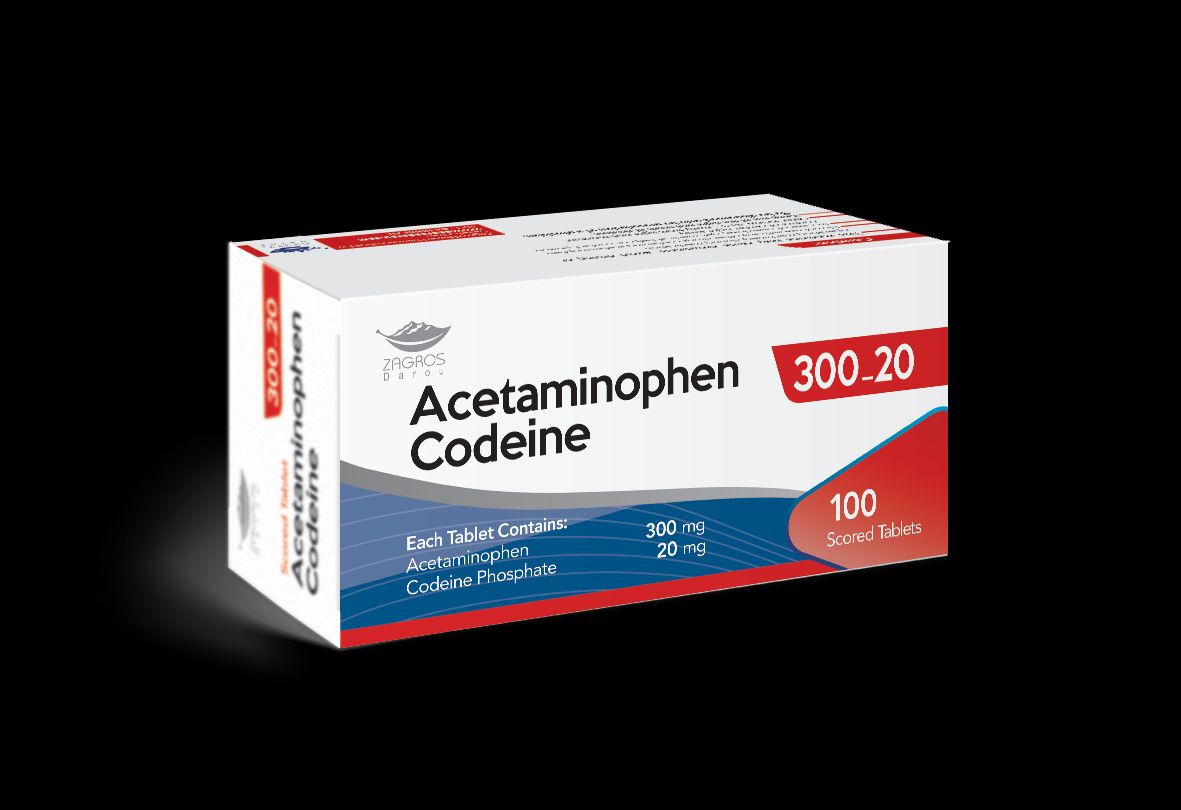
Comparing tramadol with codeine: Both are on step 2 of the WHO pain ladder. Codeine is a prodrug converted in the liver to morphine — therefore it is ineffective in CYP2D6 poor metabolizers and dangerous in ultra-rapid metabolizers. Tramadol has a dual mechanism and is usually better for neuropathic pain. Both carry a risk of constipation. Tramadol carries the additional risk of serotonin syndrome, which codeine does not.
Tramadol alternatives for moderate pain: NSAIDs (ibuprofen, naproxen, diclofenac) are better for inflammatory pain and have no addiction risk but pose risks in renal and cardiac patients. Acetaminophen (paracetamol) is the safest analgesic but is not strong. Celecoxib is a selective COX-2 NSAID with the fewest gastrointestinal side effects. Duloxetine and pregabalin are non-addictive options for neuropathic pain.
Tramadol in elderly patients — extra caution: Due to reduced hepatic and renal metabolism, the elderly eliminate tramadol more slowly. The risk of drug accumulation and toxicity is higher. The elderly are more vulnerable to CNS effects (confusion, falls). Starting dose in the elderly: 50 mg twice daily (not three times). Dosing intervals should be longer. The American Geriatrics Society (Beers Criteria) lists tramadol as a drug of "caution" for those over 65.
Tramadol dosing in renal failure: Tramadol and its metabolites are excreted through the kidneys. With GFR 30 to 60: increase dosing interval to 12 hours. GFR less than 30: maximum 200 mg/day, 12-hour interval. In dialysis: tramadol is slightly dialyzable, a supplemental dose after dialysis may be necessary. These adjustments are particularly important in diabetic patients, who often have nephropathy.
Tramadol Poisoning — Symptoms and Treatment: Symptoms of poisoning: seizures, loss of consciousness, slow breathing, pinpoint pupils, low blood pressure. Treatment: Naloxone (an opioid antagonist) reverses some effects but not the serotonergic effects and seizures. In severe poisoning, ICU admission is essential. Tramadol poisoning is treated with standard detoxification methods (gastric lavage, activated charcoal) at high doses.
Tramadol Abuse in Iran — A Hidden Crisis: According to reports from health organizations, tramadol is one of the most commonly abused drugs in Iran. Its relatively easy accessibility compared to traditional opioids (opium, heroin), lower price, and the mistaken perception of its 'safety' have made it popular among youth. The lack of specialized tramadol addiction treatment centers has further complicated the situation.
Tramadol for Chronic Pain — Limitations: Tramadol is suitable for short-term to medium-term pain management. Long-term use (more than a few months) carries serious risks: physical dependence, tolerance (needing a higher dose for the same effect), and decline in cognitive function. For chronic pain, multimodal approaches (physiotherapy, psychotherapy, non-opioid medications) are more effective and safer.
Interaction of Tramadol with Carbamazepine: Carbamazepine is a potent CYP3A4 inducer. This enzyme plays a role in tramadol metabolism. Combining carbamazepine with tramadol reduces tramadol blood levels — the patient may not get adequate pain relief. Simultaneously, carbamazepine lowers the seizure threshold. This combination should not be used without close medical supervision.
Tramadol and Pregnancy — Serious Risks: Tramadol is FDA pregnancy category C during pregnancy (animal studies show adverse effects). Use in the third trimester can cause neonatal abstinence syndrome — the baby is born with tremors, severe crying, and breathing problems. Avoid using tramadol during breastfeeding as well — it passes into breast milk.
Tramadol SR (Sustained Release) vs. IR (Immediate Release): The IR (Immediate Release) form of tramadol has a faster effect and is suitable for acute pain. The SR (Sustained Release) or ER (Extended Release) form is taken every 12 hours, has a more stable plasma level, and is more suitable for chronic pain. The SR form should not be broken or chewed — breaking it causes sudden release of the entire dose and risk of poisoning.
Monitoring Tramadol Therapy — What Tests Are Needed: Before starting: CBC, LFT, creatinine. During treatment: If you are on a high dose, LFT every 3 months. Warning signs that should be reported immediately: seizures, sudden mood changes, fever with restlessness. In elderly patients: periodic cognitive tests are recommended.
Tapering Tramadol — A Practical Protocol: Never stop tramadol suddenly. Reduce the dose by 10 to 20 percent every one to two weeks. If severe withdrawal symptoms occur, slow down the reduction rate. Clonidine (an alpha-2 agonist) can reduce withdrawal symptoms like sweating and restlessness. Loperamide (Imodium) is effective for withdrawal-related diarrhea. Never undertake this process alone without a doctor's guidance.
Tramadol for Postoperative Pain: Tramadol is a suitable choice in Enhanced Recovery After Surgery (ERAS) protocols. In these protocols, combining NSAIDs + acetaminophen + tramadol can reduce the need for stronger opioids. Advantage: Causes less postoperative nausea than morphine in some patients. Disadvantages: Risk of seizures in susceptible patients.
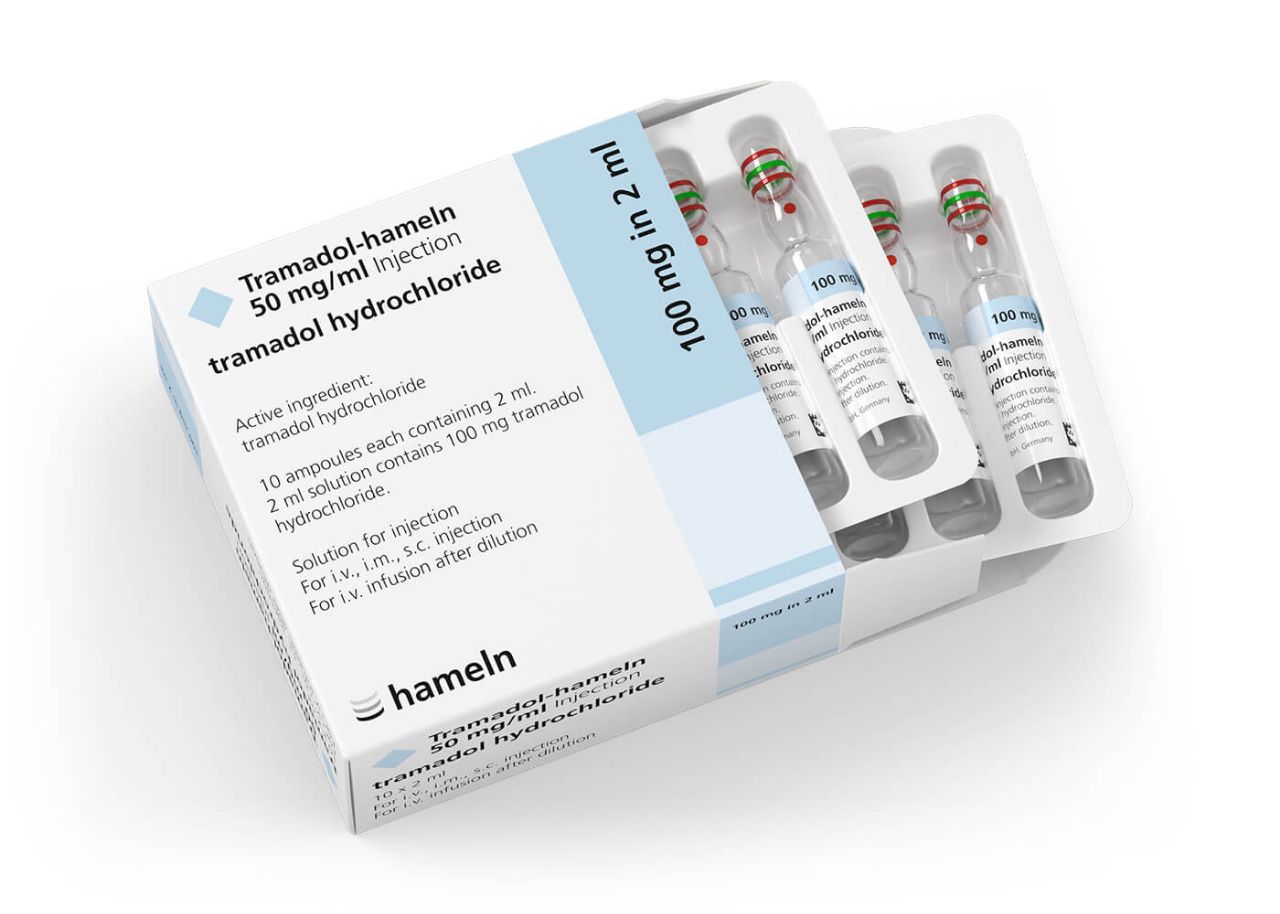
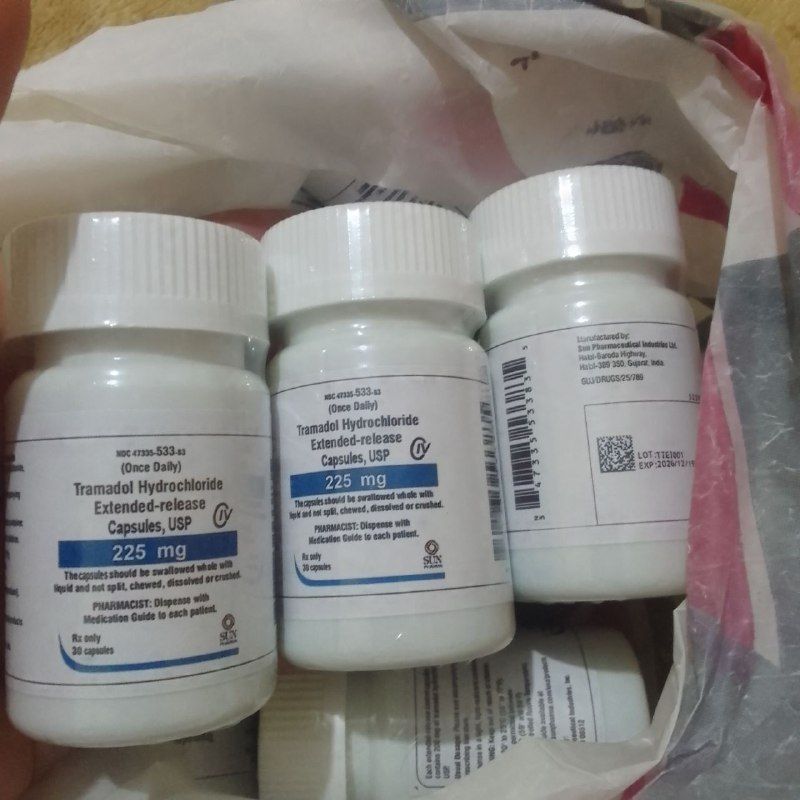
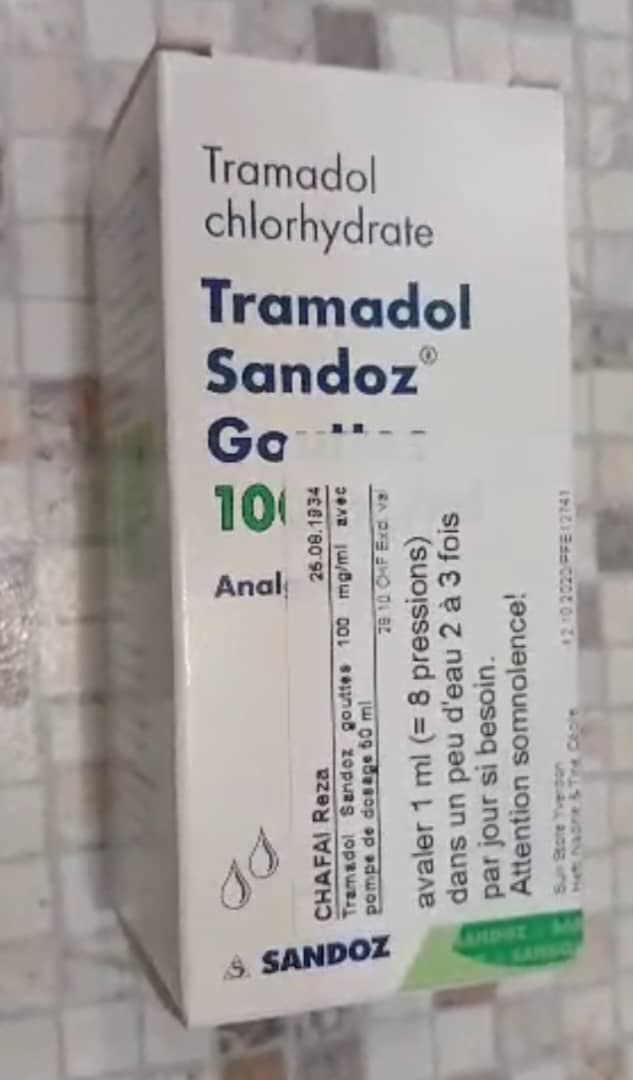
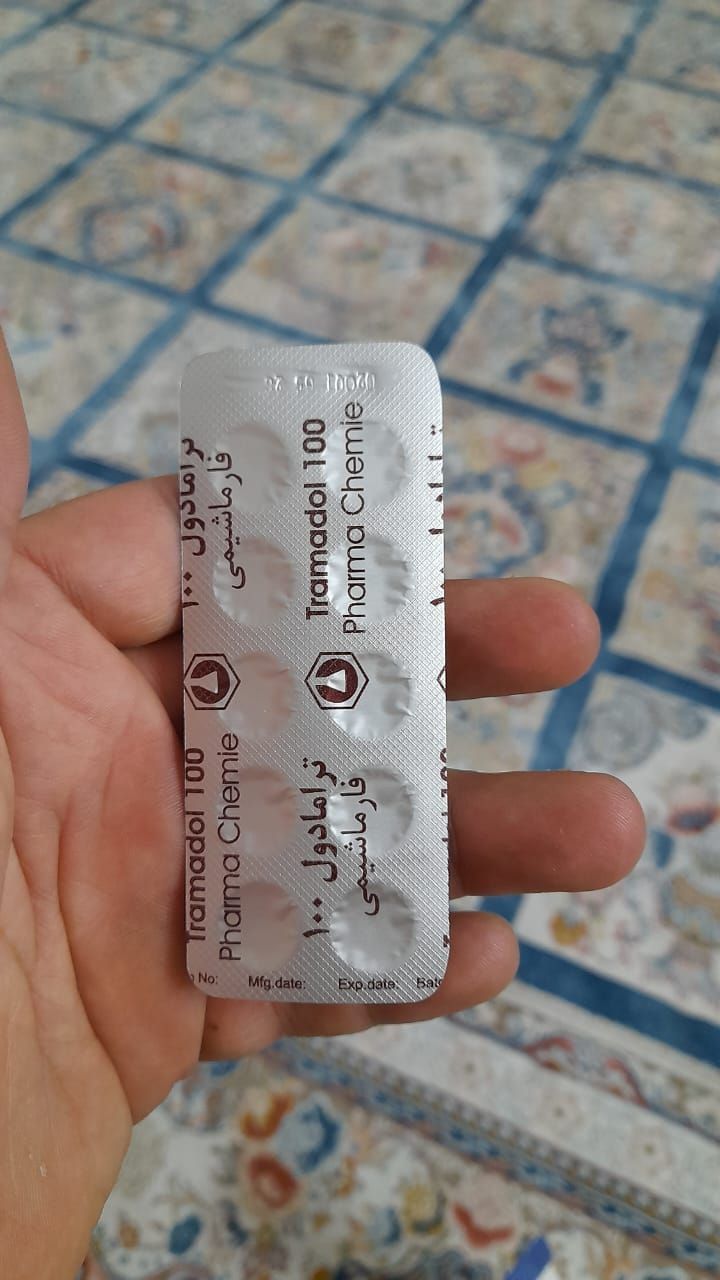
Tramadol in the Iranian Market — Access Information: Tramadol is available in Iran with a doctor's prescription from pharmacies. Available forms: 50 mg tablet, 50 mg capsule, 100 mg/2 mL ampule, drops (100 mg/mL), and SR 100/150/200 mg forms. Pharmaob provides the ability to supply reputable European brand tramadol for patients who require consistent quality. For injectable forms and specific doses, consultation with a pharmacist is recommended.
Alternative pain management methods without tramadol: Physiotherapy and rehabilitation have proven efficacy for musculoskeletal pain. Acupuncture has been effective for chronic back and neck pain in some studies. TENS (Transcutaneous Electrical Nerve Stimulation) for neuropathic pain. Mindfulness and cognitive-behavioral techniques for altering pain processing in the brain. None of these methods are sufficient for severe acute pain, but in combination they yield the best results for chronic pain.
Conclusion — Tramadol: A powerful tool with responsibility: When used correctly, tramadol is an effective analgesic for moderate to severe pain. However, its unique side effect profile (seizures, serotonin syndrome, misuse) distinguishes it from simple NSAIDs. Concomitant use with SSRIs, alcohol, or benzodiazepines must be carefully considered and supervised by a physician. Never increase the dose arbitrarily and always use a tapering schedule for discontinuation.
Tramadol and the risk of hot flashes in menopausal women: A lesser-known use of tramadol is reducing hot flashes in menopausal women who cannot use hormonal therapy (e.g., patients with a history of breast cancer). Mechanism: inhibition of norepinephrine reuptake. However, the risk of dependence and interaction with other medications must be considered. Venlafaxine (an SNRI) is a better option with lower risk, but tramadol is sometimes used.
Tramadol and immune system weakness — Concerning evidence: Some laboratory studies have shown that tramadol (like other opioids) may affect the function of immune cells (NK cells, lymphocytes) with chronic use. The clinical significance of these findings is not yet definitive. However, in patients with underlying immune conditions (HIV, post-transplant), chronic tramadol use should be monitored more carefully.
Practical suggestions for patients with moderate pain: Before tramadol, try: Ibuprofen 400 mg + Acetaminophen 500 mg together (they have a synergistic effect). If you have neuropathic pain, discuss duloxetine or pregabalin with your doctor. Physiotherapy for musculoskeletal pain can make tramadol unnecessary. Consider tramadol as a last resort, not a first. If tramadol is needed, use the lowest effective dose for the shortest possible duration.
Tramadol dosage in morbid obesity: Body weight affects tramadol dosing. In patients with a BMI over 40, the volume of drug distribution increases. However, arbitrary dose increase is not recommended — the risk of seizures may be higher in these patients. In obesity, weight loss often significantly improves musculoskeletal pain and reduces the need for analgesics. An overall weight management approach is preferable in these patients.
The role of tramadol in dentistry — Common use: Tramadol is one of the common medications for pain after tooth extraction, gum surgery, and root canal treatment. Compared to codeine, it has fewer gastrointestinal side effects. The combination of tramadol 37.5 mg with acetaminophen 325 mg (tramadol/paracetamol tablet) is often prescribed for dental pain. This combination is more potent than either alone and keeps the tramadol dose lower to reduce the risk of side effects.
Tramadol — Final summary for patients and caregivers: Tramadol, when prescribed for the correct indication and at the appropriate dose, is an effective analgesic. However, it must be used with respect for its risk profile. Three golden rules: Never combine with alcohol or benzodiazepines, do not arbitrarily increase the dose, and always perform gradual tapering if discontinuation is needed. In case of seizure, severe dizziness, or symptoms of serotonin syndrome, contact emergency services immediately. Proper education for patients and their families is more important than any medication.
Sources and References
- U.S. Food and Drug Administration (FDA) — Official drug labeling and safety warnings
- World Health Organization (WHO) — Pharmaceutical guidelines and Essential Medicines List