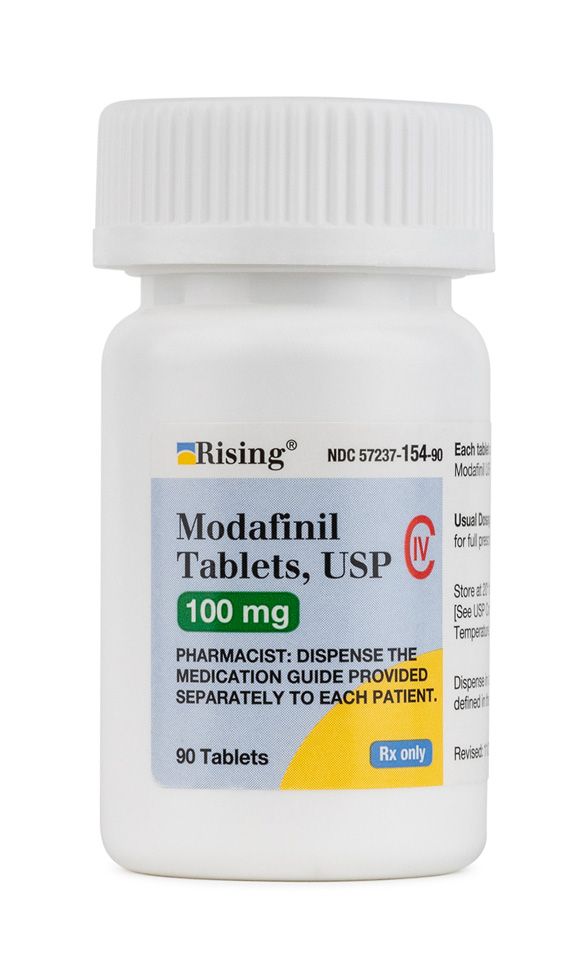
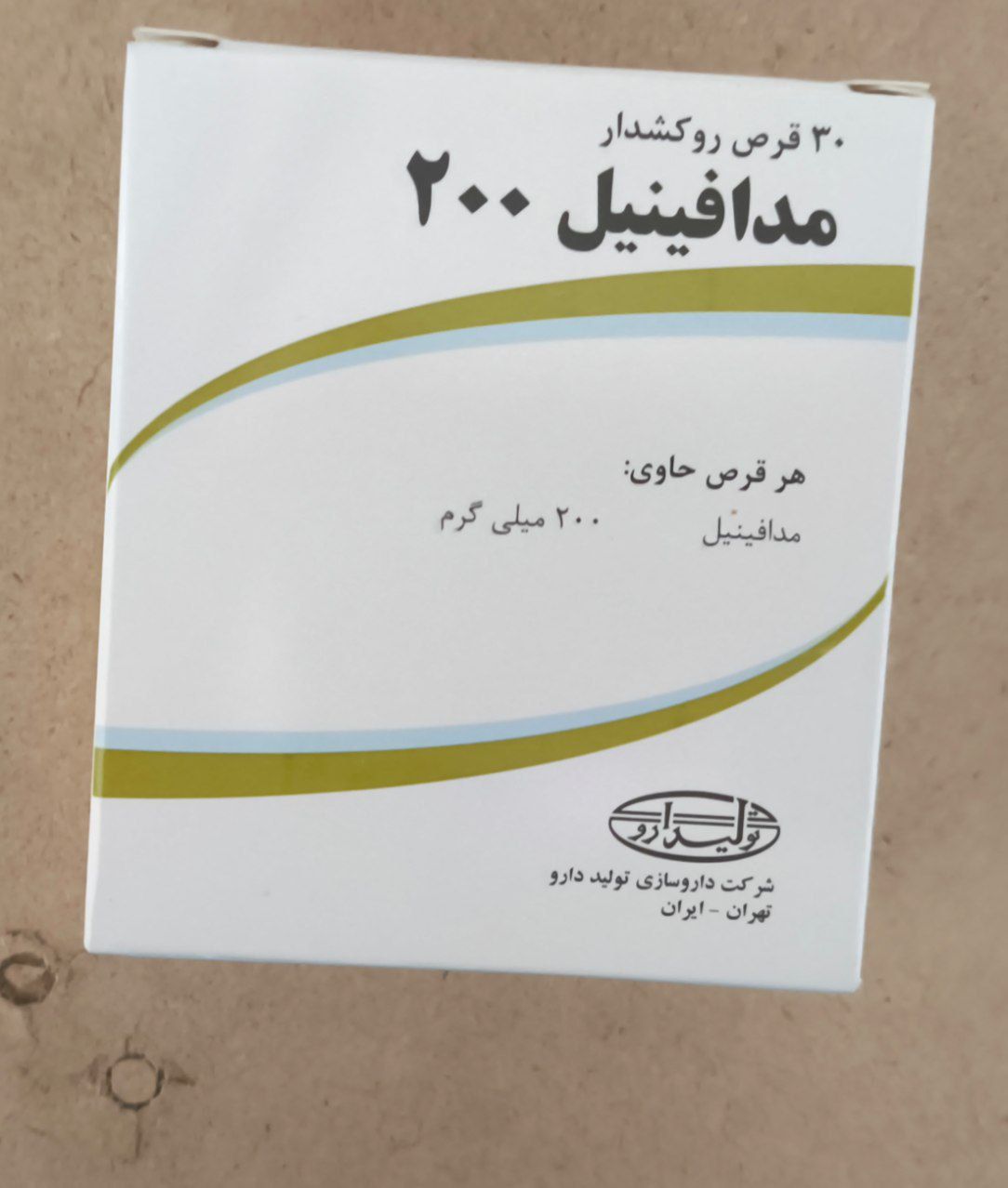
Modafinil (Provigil/Modvigil) is one of the most interesting neurocognitive drugs — approved for narcolepsy, shift-work sleep disorder, and sleep apnea, but it has become famous as a "smart drug" among students and busy employees. What is the real science behind it?
How Does Modafinil Work?
Unlike classic stimulants like amphetamines which release a lot of dopamine, modafinil primarily works by inhibiting dopamine reuptake via the DAT pathway, but with much less intensity. Simultaneously, it affects the orexin system, which plays a key role in regulating wakefulness, and stimulates norepinephrine and histamine.
Result: stable wakefulness without the severe highs and lows of amphetamines. The patient feels alert without experiencing a "rush" or severe anxiety. This profile makes it more suitable for shift work or long flights.
Approved Uses vs. Off-Label Uses
| Use | Approval Status | Evidence |
|---|---|---|
| Narcolepsy | FDA/EMA Approved | Strong |
| Shift-work sleep disorder | FDA Approved | Strong |
| Obstructive Sleep Apnea (adjunct) | FDA Approved | Moderate |
| ADHD (second-line) | Off-label | Moderate |
| Fatigue related to MS or cancer | Off-label | Moderate |
| Enhancing focus in healthy individuals | Invalid | Weak in the long term |
Dosage and Timing
The standard dose of modafinil is 200 mg once daily, in the morning. For shift-work, it is taken 60 minutes before the start of the shift. A dose of 100 mg is a good option for those sensitive to its effects or who want a shorter duration of effect.
The half-life of modafinil is 12-15 hours. This means if you take it at 8 AM, it will still be active in your system at 8-11 PM. If you take it in the afternoon, you probably won't sleep at night.
Does Modafinil Really Increase Intelligence?
Honest answer: In healthy, well-rested individuals, the cognitive effect of modafinil is limited. Studies show the most benefit is in those who are sleep-deprived — the drug compensates for the negative impact of sleep deprivation but does not increase baseline intelligence.
In executive functions like planning, decision-making, and problem-solving, some studies show mild improvement. But this improvement has not been seen in simple, repetitive cognitive loads — only in more complex tasks.
Modafinil Frequently Asked Questions
Is modafinil addictive?
Its addiction potential is much lower than amphetamine but not zero. Some users develop psychological (not physical) dependence — they feel they cannot work without it. Sudden discontinuation after long-term use may be accompanied by rebound fatigue and drowsiness.
Modafinil and alcohol — is combining them safe?
Combination is not recommended. Modafinil masks the feeling of intoxication but the effect of alcohol on the brain and liver is not reduced. You may end up drinking more unintentionally.
Is modafinil legal in Iran?
Modafinil is a controlled substance and requires a valid medical prescription. For approved conditions like narcolepsy, it can be legally obtained from reputable pharmacies.
Modafinil, marketed under the brand name Provigil, is a wakefulness-promoting agent whose exact mechanism of action is not fully understood — it likely works by inhibiting dopamine reuptake and increasing histamine in the hypothalamus. Unlike amphetamines, modafinil has a better safety profile and has shown lower potential for abuse.
Approved uses of modafinil: Narcolepsy (sudden excessive sleepiness), sleepiness associated with obstructive sleep apnea (as an adjunct to CPAP), shift work sleep disorder. Very common off-label uses: ADHD, treatment-resistant depression, chronic fatigue, MS-related fatigue, and cognitive enhancement in healthy individuals.
Modafinil in high-pressure work environments: Modafinil has become known as a "smart drug" among executives, doctors, military pilots, and night-shift workers. US and French air forces have used it for long missions. However, self-medication without a prescription is illegal in Iran.
Side effects of modafinil: Headache (most common — usually controlled with adequate water and proper dosage), nausea, anxiety, insomnia if taken in the afternoon. Rarer: Stevens-Johnson Syndrome (severe skin reaction) — rare but serious. If you see a skin rash, discontinue immediately. Modafinil is metabolized via hepatic CYP3A4 — possible interactions with cardiac, antidepressant, and anti-epileptic drugs.
Modafinil and pregnancy: FDA category C — caution. Animal studies have shown fetal effects. Not recommended during pregnancy. Birth control pills interact with modafinil — modafinil induces CYP3A4, which breaks down contraceptive hormones. For users of birth control pills, a complementary method is necessary.
Modafinil dosage: For narcolepsy, typically 200 mg once in the morning. For shift work, 1 hour before the shift. A dose of 100 mg for those sensitive to the full dose. The maximum approved dose is 400 mg per day. Do not take modafinil in the afternoon — it disrupts nighttime sleep. Its half-life is 12 to 15 hours.
Armodafinil (Nuvigil) — an improved version: It is the R isomer of modafinil and has a longer half-life (15 hours vs. 12 hours). Its dose is half that of modafinil (150 mg vs. 200 mg) but it has a longer-lasting effect. Some patients who do not respond to modafinil respond to armodafinil. It is less available in Iran.
Modafinil and cognition in healthy individuals: A meta-analysis of 24 studies showed that modafinil had a positive effect on more complex tasks (working memory, decision-making) but no effect on simpler tasks. Interestingly, the effect was greater in those who had less sleep. Therefore, modafinil does not increase "intelligence" but compensates for deficits caused by fatigue.
Modafinil in ADHD treatment: In Iran, some ADHD patients who do not respond adequately to Ritalin or Strattera use modafinil with a doctor's prescription. Evidence exists for ADHD, but the FDA has not approved it for this indication. For patients with cardiac concerns regarding typical stimulants, modafinil may be a safer option.
Addiction and Modafinil: The potential for abuse is much lower than amphetamines but not zero. Psychological dependence has been reported — especially in individuals who become reliant on it for work or study. In Iran, it is prescribed as a controlled substance requiring a special prescription. Drug holidays are recommended to prevent dependence.
Modafinil and Sleep Quality: One common question is whether modafinil affects nighttime sleep quality. Research shows that morning intake usually does not interfere with nighttime sleep — but afternoon intake definitely delays sleep. In narcolepsy patients, modafinil better regulates nighttime sleep because the patient sleeps less during the day. For brain health, 7 to 8 hours of quality nighttime sleep is essential.
Modafinil vs. Caffeine: Many ask what the difference is between modafinil and caffeine. Caffeine works by blocking adenosine (a sleep-inducing substance) — its effect is short (4 to 6 hours) and accompanied by rapid tolerance. Modafinil targets hypocretin, dopamine, and norepinephrine pathways — its effect is longer (12 to 15 hours) with less tolerance. Modafinil performs more strongly in complex cognitive tasks.
Modafinil and Hyperthyroidism: Patients with hyperthyroidism should inform their doctor before taking modafinil. Hyperthyroidism itself causes rapid heart rate, insomnia, and anxiety — modafinil can exacerbate these symptoms. Patients with treated hypothyroidism usually have no problem with modafinil, but the doctor should be aware so thyroid medication dosage can be adjusted if needed.
Modafinil for Social Anxiety Disorder? Some online sources claim modafinil improves social anxiety. Scientific evidence in this area is weak, and modafinil has conflicting results regarding being anxiogenic — some find it more anxiety-inducing, others less. For social anxiety, SSRIs (like sertraline) and CBT are treatment standards with strong evidence.
Access to Modafinil in Iran: Modafinil is a controlled substance in Iran and requires a valid prescription. The Iranian brand "Modafnil" and foreign brands (Provigil, Modalert) are found in licensed pharmacies. PharmaWeb provides the possibility to purchase genuine modafinil with a valid prescription and secure delivery — with a refrigerated system to maintain drug quality at all stages.
Modafinil and the Immune Suppression System: In patients with autoimmune disorders taking immunosuppressive drugs (like cyclosporine, tacrolimus), modafinil can reduce the levels of these drugs through induction of liver enzymes. If you have had an organ transplant or have inflammatory bowel disease, the relevant doctor should be aware of modafinil use.
Modafinil and Work Cycles: Some night shift workers or nurses use modafinil only on difficult workdays. This "situational use" approach reduces the risk of dependence and tolerance compared to daily use. However, even irregular use requires a doctor's prescription and should be under supervision. Adequate sleep on non-work days is essential for brain recovery.
Modafinil and Treatment-Resistant Depression: In depressed patients who do not respond adequately to SSRIs alone, some psychiatrists add modafinil as an adjunctive treatment — especially to reduce fatigue and increase motivation. Evidence exists for this use, but it is not yet in main treatment guidelines. This combination should be under the close supervision of a psychiatrist.
Summary — Modafinil with Awareness: Modafinil is a powerful tool for patients with narcolepsy and sleep disorders. The biggest mistake is to consider it a "smart pill" without risks. Alongside real benefits, there are significant drug interactions, rare but serious skin side effects, and the potential for psychological dependence. Correct use means a valid prescription, appropriate dosage, and regular monitoring by a specialist doctor.
Modafinil and Multiple Sclerosis (MS): One of the approved uses of modafinil in many countries is fatigue related to MS. Up to 85% of MS patients suffer from severe fatigue that lowers quality of life. In a double-blind clinical trial, 200 mg of modafinil significantly reduced fatigue in MS patients. A neurologist can prescribe modafinil for this purpose — however, interactions with MS medications must be checked.
Modafinil and Cognitive Strategies: Modafinil alone is not enough — combining it with attention management techniques yields better results. The Pomodoro technique (25 minutes of focus, 5 minutes of rest), task planning before taking the medication, and reducing environmental distractions multiply the effect of modafinil. For students or shift workers, learning these techniques alongside drug treatment is essential.
Modafinil and Cancer Adjuvant Therapy: Fatigue caused by chemotherapy is one of the most painful side effects of cancer treatment. Several clinical trials have investigated modafinil in reducing this fatigue — results are promising but not conclusive. An oncologist can prescribe modafinil as an adjuvant therapy alongside chemotherapy in appropriate cases. Interaction with chemotherapy drugs must be checked precisely.
Frequently Asked Questions about Modafinil: Should it be taken daily? For narcolepsy, yes; for shift work, only on necessary days. Can you drive? Untreated narcolepsy is dangerous — with proper treatment, driving is safer. Can it be combined with alcohol? No — both affect the liver and create unpleasant interactions. Is it safe during pregnancy? No — use supplemental contraception and inform your doctor if you plan to become pregnant.
Modafinil and Brain Aging: Preliminary evidence suggests that modafinil may have protective effects on the aging brain by reducing neuroinflammation and improving cerebral blood flow. In studies on elderly patients with cognitive fatigue, modafinil showed significant improvement in processing speed and working memory. This research is still preliminary — but promising for future applications of modafinil in dementia and brain aging.
Modafinil and Heart Health: Unlike amphetamine stimulants, modafinil does not have a significant effect on blood pressure and heart rate — one of the reasons it is preferred for patients with cardiac concerns. However, in patients with cardiac arrhythmia or uncontrolled blood pressure, consultation with a cardiologist is necessary. Blood pressure monitoring before starting and during treatment is recommended. Modafinil has a better cardiovascular safety profile compared to Ritalin or Adderall.
Modafinil — A Drug with a Future: Research on modafinil and its derivatives (armodafinil, flodafinil) continues. Potential new applications include Alzheimer's disease, fatigue-dependent cancer treatments, and long-haul jet lag disorders. Several phase 2 studies are ongoing. But currently, for approved indications — narcolepsy, sleep apnea, and shift work — modafinil is the best treatment option with strong scientific backing. With a valid prescription, obtain this medication from reliable sources.
Sources and References
- U.S. Food and Drug Administration (FDA) — Official drug labeling and safety warnings
- European Medicines Agency (EMA) — Summary of Product Characteristics (SmPC)
- UpToDate — Evidence-based clinical review